Explore · 131 connected cards
Follow the evidence.
Find your way in.
A visual index of everything CueCrux can do: the product surfaces, proof concepts, real-world use-cases, guides and answers. Filter the constellation or search the full catalogue.
Knowledge map
One system, many entry points.
131 visible · click a hub to inspect its neighbourhood
 What is CueCrux and what does it do?Is my data safe and private with CueCrux?What is RCX and what are its postures?Can CueCrux hallucinate?Does tool-mediated memory actually hold up?Can I share proof of what my agents did?How does CueCrux help with the EU AI Act?
 How does CueCrux actually work?What happens when I revoke access?Can a fleet of agents share one memory?Can CueCrux tell me what my agents cost?What does the Governance tier include?How does CueCrux plug into my agents and tools?Can I export receipts and memory?
 Why should I trust CueCrux?Can work continue across sessions?What are passports and trust tiers?How does CueCrux handle my private data?What happens when stored knowledge changes?Does context survive across sessions?How do teams and their agents share memory?
 What is a CROWN receipt?Can I share evidence with people outside my organisation?How do permissions work in CueCrux?How does organisation-level governance work?What does the audit trail look like?Where does my data live?Is CueCrux suitable for legal teams?
 Is CueCrux free or does it cost money?What does CueCrux give security teams?How does CueCrux map to the EU AI Act?
 Welcome to CueCrux: what is this place?How do I get my first receipt?How do I read the record my agents create?What should I explore next?Healthcare ComplianceFinancial RegulationIP LawEmployment LawData Privacy (GDPR)Contract AnalysisTax LegislationEnvironmental PolicyPharmaceutical R&DInsurance RegulationAnti-Money LaunderingCybersecurityBanking ComplianceCorporate GovernanceAI RegulationAntitrust & CompetitionSupply Chain ComplianceAccessibility statementPrivacy noticeRefund policyTerms of use
Complete catalogue
Browse every card.
131 of 131 shown
getting-startedWelcome to CueCrux: what is this place?
A short orientation to the control plane for agent fleets
CueCrux gives agent fleets signed receipts, passport identity and enforceable policy; this section is your map to it.
Open card getting-started
How do I get my first receipt?
Install the daemon, connect an agent, watch the record begin
Install the free daemon, connect an agent over MCP, and the first state mutation mints the first signed CROWN receipt.
Open card getting-started
How do I read the record my agents create?
The console surfaces, the receipt trail, and what the chain proves
Learn what the console surfaces show and what a receipt trail proves: who acted, in what order, under which grants.
Open card getting-started
What should I explore next?
Where to go after your first receipts
A map of the catalogue and product pages: receipts, passports, RCX, governance, fleet, pricing and WikiCrux.
Open cardexplorerWhat is CueCrux and what does it do?
The governance control plane for AI agent fleets
CueCrux is the governance control plane for AI agent fleets: every action gets a signed receipt, every cost attributes, and revocation completes with proof.
Open cardexplorerHow does CueCrux actually work?
One local binary; memory, retrieval and receipts on an append-only spine
One local binary runs memory, retrieval and receipts on an append-only spine; agents connect over MCP and every action lands on the record.
Open cardexplorerWhy should I trust CueCrux?
You should not have to: every claim it makes checks out offline
Trust is not requested: receipts are signed, hash-chained and verifiable offline, and tamper rejection is a release-blocking CI gate.
Open cardexplorerWhat is a CROWN receipt?
A signed, hash-chained record of one action, verifiable offline
A CROWN receipt is a signed, hash-chained record of one state mutation, resolvable to who acted and verifiable offline.
Open cardexplorerIs CueCrux free or does it cost money?
The local daemon is free forever; paid tiers govern fleets
The local daemon is free forever; Pro and Governance add hosted sync and fleet controls, and metered credits mint receipts of their own.
Open card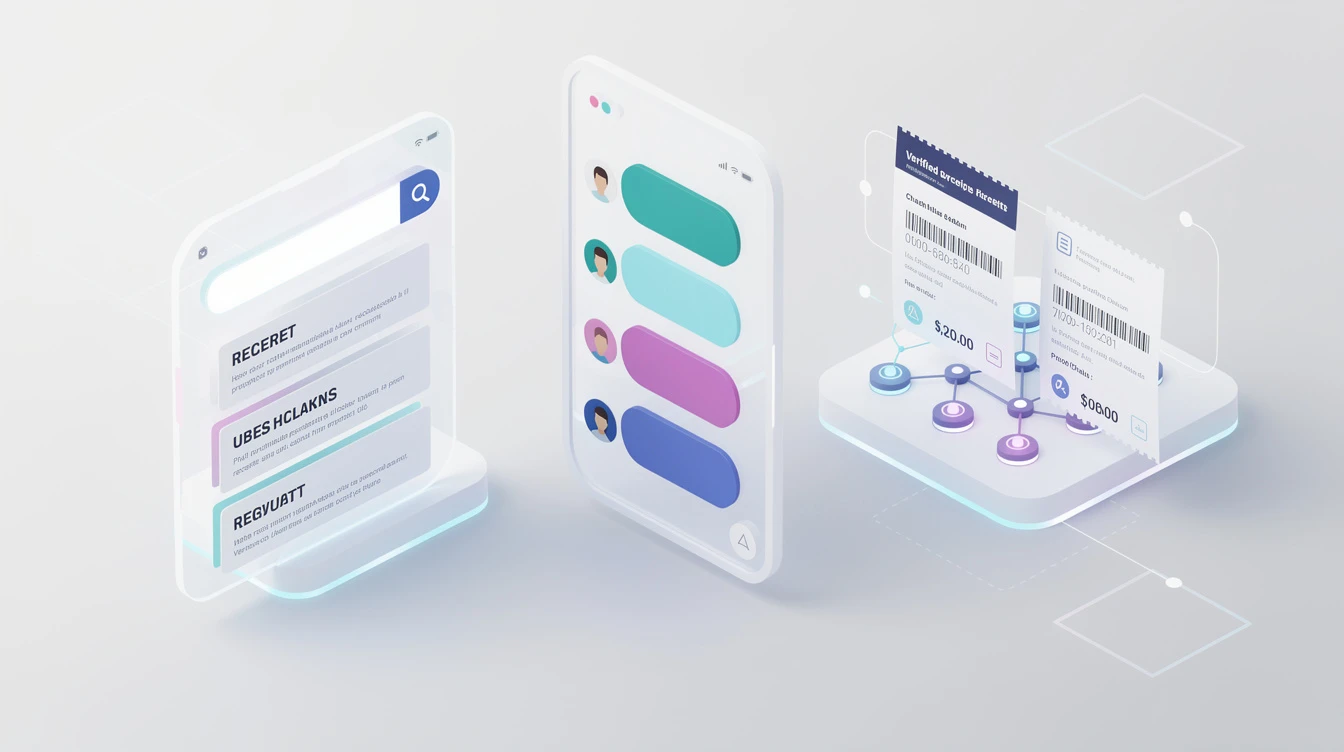 explorer
How is CueCrux different from ChatGPT?
ChatGPT is an assistant; CueCrux governs the agents you run
ChatGPT is an assistant; CueCrux governs the agents you run on any model, with memory that benchmarks show holds up at scale.
Open card explorer
Who is CueCrux designed for?
Teams that run agents and need a verifiable record of what those agents did
CueCrux serves platform teams running agent fleets, engineers debugging them, compliance teams answering for them, and solo developers on the free daemon.
Open card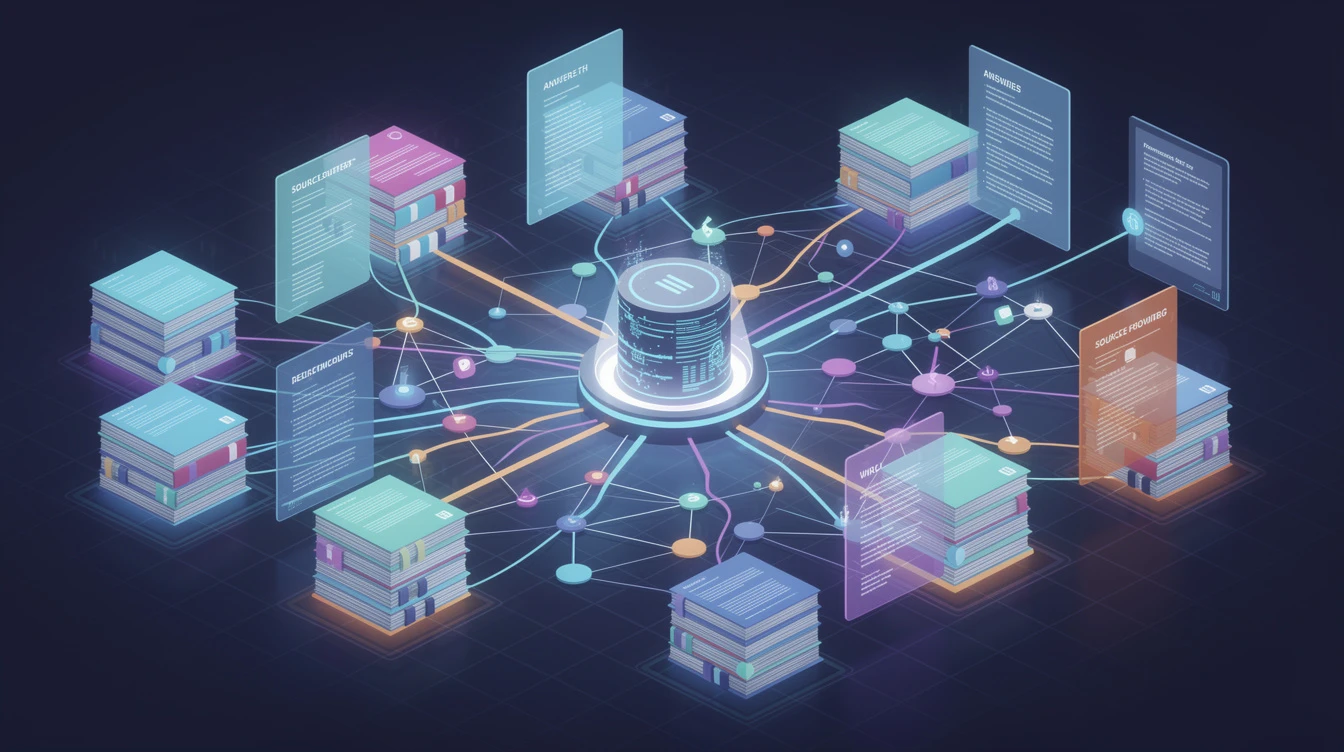 explorer
What does CueCrux search?
Your own store, retrieved under hard token budgets
Retrieval runs over the store your agents build: local lexical and graph lanes, bring-your-own dense, hosted richer lanes, all under hard token budgets.
Open card explorer
How do I get started with CueCrux?
Install one binary; no account, no GPU, no cloud
Install one free binary, open the local console, connect an agent over MCP, and verify your first receipt; no account, no GPU, no cloud.
Open card explorer
Is my data safe and private with CueCrux?
Local-first by default; nothing leaves your machine unless you choose
The default deployment is local-only: your store stays on your disk, writes are passport-bound, and erasure is a governed operation with a dry-run.
Open card explorer
What is RCX and what are its postures?
Per-request policy: a scoped capability token or a signed refusal
RCX evaluates every request and answers with a scoped capability token or a signed refusal; rollout moves through off, observe and enforce.
Open cardexplorerCan CueCrux hallucinate?
The record is replayed, not remembered
Answers about your fleet are replayed from signed, hash-chained records, not generated; fabrication breaks the chain and verification catches it.
Open card explorer
Does tool-mediated memory actually hold up?
ScoreCrux is the open benchmark; the numbers are published
ScoreCrux, the open benchmark, shows stuffed-context recall collapsing at scale while tool-mediated memory holds 80-100% at a fraction of the tokens.
Open card explorer
Can I share proof of what my agents did?
Export the trail; anyone can verify it offline, no account needed
Export a context and anyone can verify the receipt chain offline, without an account; tampering is rejected and the rejection path is CI-gated.
Open card explorer
How does CueCrux help with the EU AI Act?
The compliance machinery is the same machinery everything runs on
Risk classes, human gates, hash-chained logging and provable erasure are runtime controls that double as EU AI Act evidence.
Open card explorer
What happens when I revoke access?
A signed pull you can watch complete, agent by agent
Revocation is a signed pull with per-agent acknowledgements, ending in an attestation when zero holders remain.
Open card surface
Ask Surface
Questions in, cited answers out, receipts behind everything
The question-and-answer surface where every answer opens its sources and every retrieval ran under a budget.
Open cardsurfaceProof Surface
The CROWN receipt chain, rendered and verifiable offline
Where receipt chains become inspectable: signatures, hash links, refusals, and offline verification.
Open card surface
Watch Surface
Calm monitoring of fleet activity and evidence drift
Low-noise monitoring: what changed in your fleet's trails and your evidence base, and whether it matters.
Open card surface
Community Threads
Corrections and source suggestions, passport-bound and receipted
The maintenance queue where the community improves the knowledge base, with reputation earned through verified receipts.
Open card surface
Signals Feed
The mechanical stream of everything your fleet did
A chronological feed of receipts, refusals, gate decisions, and revocation acks, filterable and machine-consumable.
Open card surface
Canvas White-Label
Your brand on the surfaces, CueCrux machinery underneath
Run the receipted surfaces under your own brand and domain; branding never touches the hash chain.
Open card surface
Reasoning Desktop
The Crux Daemon on your machine: one binary, no account
The local-first CueCrux experience: a free CPU-only daemon, an operator console, and receipts that verify offline.
Open card surface
Domain Directory
A browsable, honest map of what the knowledge base covers
The catalogue of knowledge domains, with coverage shown as it is rather than as marketing would prefer.
Open card guide
guideStart here: the CueCrux doc directory
Guide
A short map of the guides, FAQs, and legal pages in this catalogue, and which one to read next.
Open card guide
guideGetting started with the Crux Daemon
Guide
One free binary, running locally in about 60 seconds. No account, CPU-only, and every state change signed from the first minute.
Open card guide
guideRollout postures: off, observe, enforce
Guide
RCX policy rolls out in three postures. Start by watching what would be refused, then turn enforcement on with evidence in hand.
Open card guide
guideCredits, metering, and what is free
Guide
The local daemon is free forever. Paid tiers and metered credits exist for hosted heavy lifts, and every credit spend mints a signed receipt.
Open card guide
guideOperating a fleet: passports, grants, and forgetting
Guide
Identity, permission, revocation, and erasure for agent fleets: the four controls an operator actually uses, all of them receipted.
Open card guide
guidePress kit
Guide
Boilerplate, naming, and logo rules for writing about CueCrux.
Open cardguideSharing proof: receipts that verify anywhere
Guide
Hand an auditor, customer, or colleague an export they can verify offline. No CueCrux servers, no trust in our UI required.
Open card guide
guideTroubleshooting the daemon
Guide
What budget trims, refusal receipts, verification failures, and slow revocations mean, and the next step for each.
Open card guide
guideWhere CueCrux is heading
Guide
What ships today, what lands with the launch gate, and the one principle that does not change.
Open card guide
guideWhy trust a receipt
Guide
What makes a CROWN receipt evidence rather than a log line: signatures, hash-chaining, offline verification, and identity that resolves.
Open cardfaq-generalWhat is CueCrux and what problem does it solve?
General FAQ · Platform basics
CueCrux is the governance control plane for AI agent fleets: cost attribution, receipts you can replay, and revocation that provably propagates.
Open card faq-general
How does CueCrux produce a verifiable record of what an agent fleet did?
General FAQ · Receipts and proof
Every state mutation gets a signed CROWN receipt on an append-only hash chain. The trail verifies offline, so it is evidence, not telemetry.
Open card faq-general
How is CueCrux different from agent observability dashboards?
General FAQ · Platform basics
Observability shows you what a logger asserts happened. CueCrux gives you signed, chained, offline-verifiable evidence, plus controls that act on it.
Open card faq-general
What is a CROWN receipt?
General FAQ · Receipts and proof
The signed, hash-chained record the daemon mints for every state mutation: who acted, what changed, when, and under which grants.
Open card faq-general
How does retrieval work inside the daemon?
General FAQ · The daemon
Local BM25-class lexical search plus graph fusion on CPU, dense retrieval via your own embedder, and richer hosted lanes when you want them.
Open card faq-general
What is WikiCrux?
General FAQ · Platform basics
The receipted knowledge hub, live at wiki.cuecrux.com. Cited answers open their sources, and access is governed by RCX like everything else.
Open card faq-general
Can a receipt be tampered with or forged?
General FAQ · Receipts and proof
Tampering breaks the hash chain visibly, forgery needs a passport signing key, and the tamper-rejection flow is a release-blocking CI gate.
Open card faq-general
Can I replay what my agents did?
General FAQ · Receipts and proof
Yes. Receipts are the debugging surface: replay the signed trail instead of reconstructing behaviour from logs.
Open card faq-general
Does tool-mediated memory actually beat stuffing the context window?
General FAQ · Evidence
On the open ScoreCrux benchmark: stuffed-context recall collapses at 2M-token scale while tool-mediated memory holds 80-100%.
Open card faq-general
What is a token budget and why is it mandatory?
General FAQ · The daemon
Every retrieval call carries a hard token_budget and the daemon trims to fit. It is the guard against context blowouts, and it is not optional.
Open cardfaq-generalDo I need an account to use CueCrux?
General FAQ · Getting started
No. The local daemon is free, needs no account, and never phones home for permission. Accounts exist only for the hosted tiers.
Open card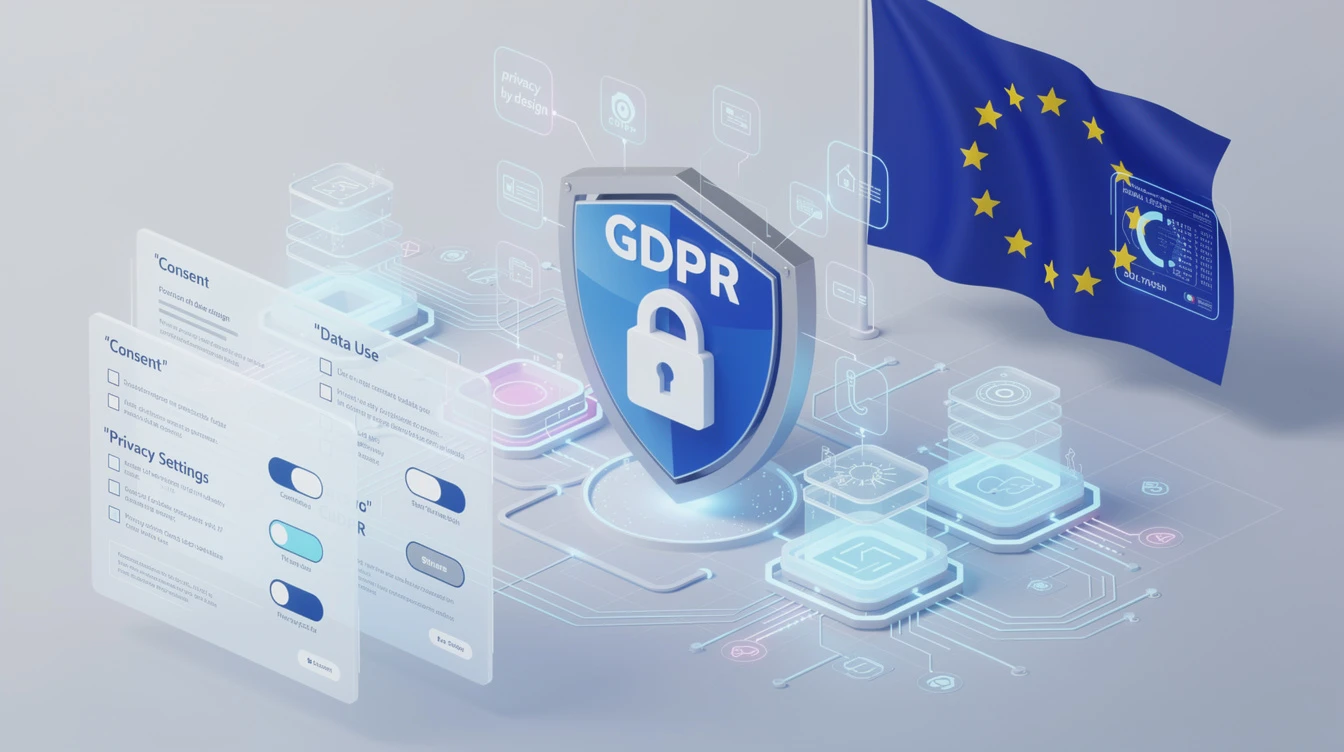 faq-general
How does CueCrux handle GDPR and the right to be forgotten?
General FAQ · Privacy and identity
Scoped forget with a dry-run implements Article 17: preview exactly what will be erased, erase it, and keep chain integrity via hashes, not content.
Open card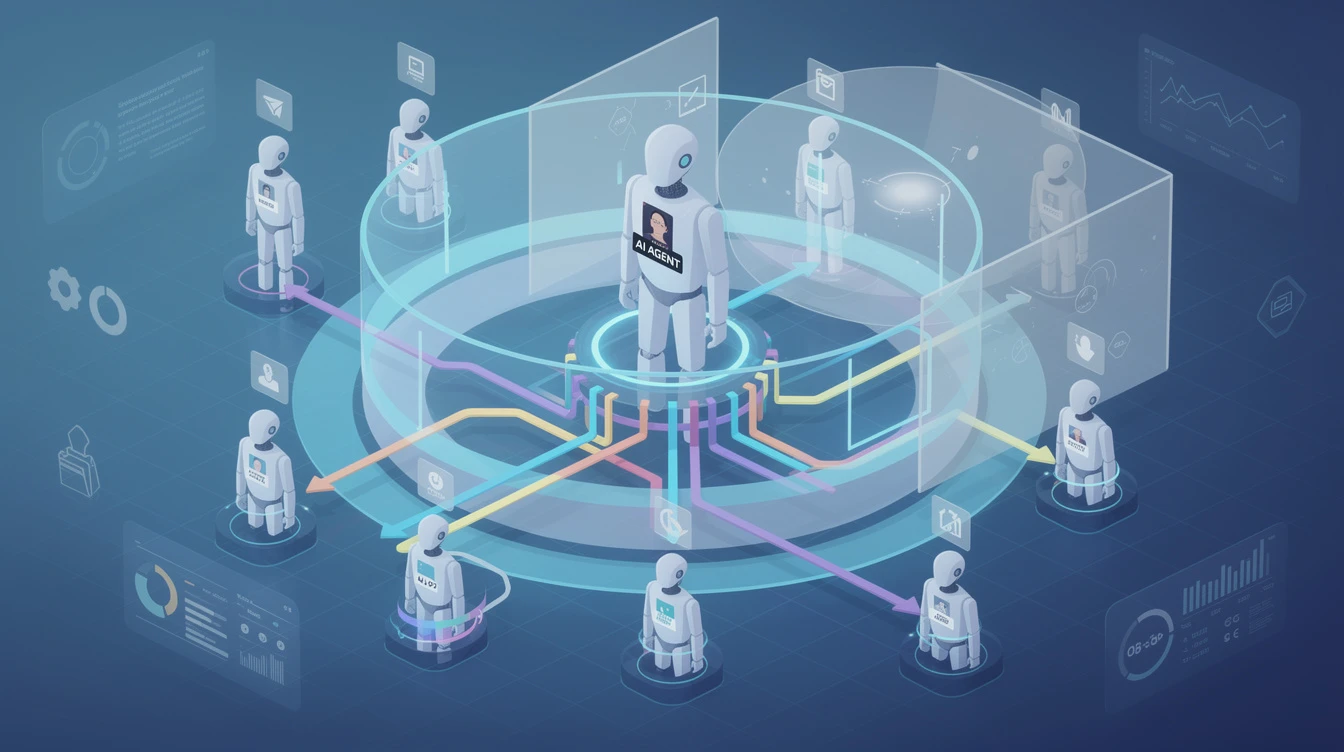 faq-general
How does CueCrux prevent anonymous or spoofed agent activity?
General FAQ · Privacy and identity
Every connection binds to a passport, every tool call carries it, and reputation accrues across five trust tiers from verified receipts.
Open card faq-general
How do metered credits work?
General FAQ · Pricing
Roughly £0.01 per credit, charged only for hosted heavy lifts. The local dense lane is never metered, and every spend mints a signed receipt.
Open card faq-general
Can CueCrux run a whole fleet on one shared brain?
General FAQ · Fleet and governance
Yes: shared memory on one spine, cross-session handoffs, a live work board, and governance that is identical for one agent or hundreds.
Open card faq-general
What do we hand an auditor or regulator?
General FAQ · Fleet and governance
An export of the relevant receipt trail, which they verify offline on their own machine. No access to your systems, no trust in ours.
Open cardfaq-generalWhat is the local operator console?
General FAQ · The daemon
A console at localhost:14800, shipped with the free daemon: canvas board, relation graph, ExecPlans kanban, and sessions.
Open card faq-developer
How do my agents talk to the daemon?
Developer FAQ
Over MCP: 100+ tools for memory, retrieval, sessions, and plans. Every call carries a passport and a hard token_budget.
Open card faq-developer
What happens when a call is not allowed?
Developer FAQ
RCX evaluates every request against short-lived capability tokens. Refusals fail closed with a signed RefusalReceipt and a reason code.
Open cardfaq-developerHow do I verify receipts in code or CI?
Developer FAQ
corecruxctl verify-store checks a whole store; exported trails verify offline anywhere. The same flow gates our own releases.
Open card faq-developer
Can I bring my own embedder for dense retrieval?
Developer FAQ
Yes: Ollama, vLLM, TEI, llama.cpp, or LiteLLM. The local dense lane fuses with lexical and graph, and is never metered.
Open cardfaq-developerHow do I move context between sessions and machines?
Developer FAQ
Sessions, checkpoints, and cross-session handoffs cover the local case; .cruxpack export/import moves context between machines with provenance intact.
Open card faq-developer
Can I drive plans, decisions, and procedures programmatically?
Developer FAQ
ExecPlans and the live work board are tool surfaces, decision records capture the why, and engrams compile procedures with provenance hashes.
Open card faq-developer
Do I ever need CueCrux's cloud?
Developer FAQ
No. The daemon is local and CPU-only, and verification works offline. Hosted CoreCrux adds richer lanes and sync only if you want them.
Open card faq-enterprise
Why does an agent fleet need a governance control plane?
Enterprise FAQ
Because agents act at machine speed and scale, and the questions that follow (what did they do, what did it cost, is that permission gone) need proof.
Open card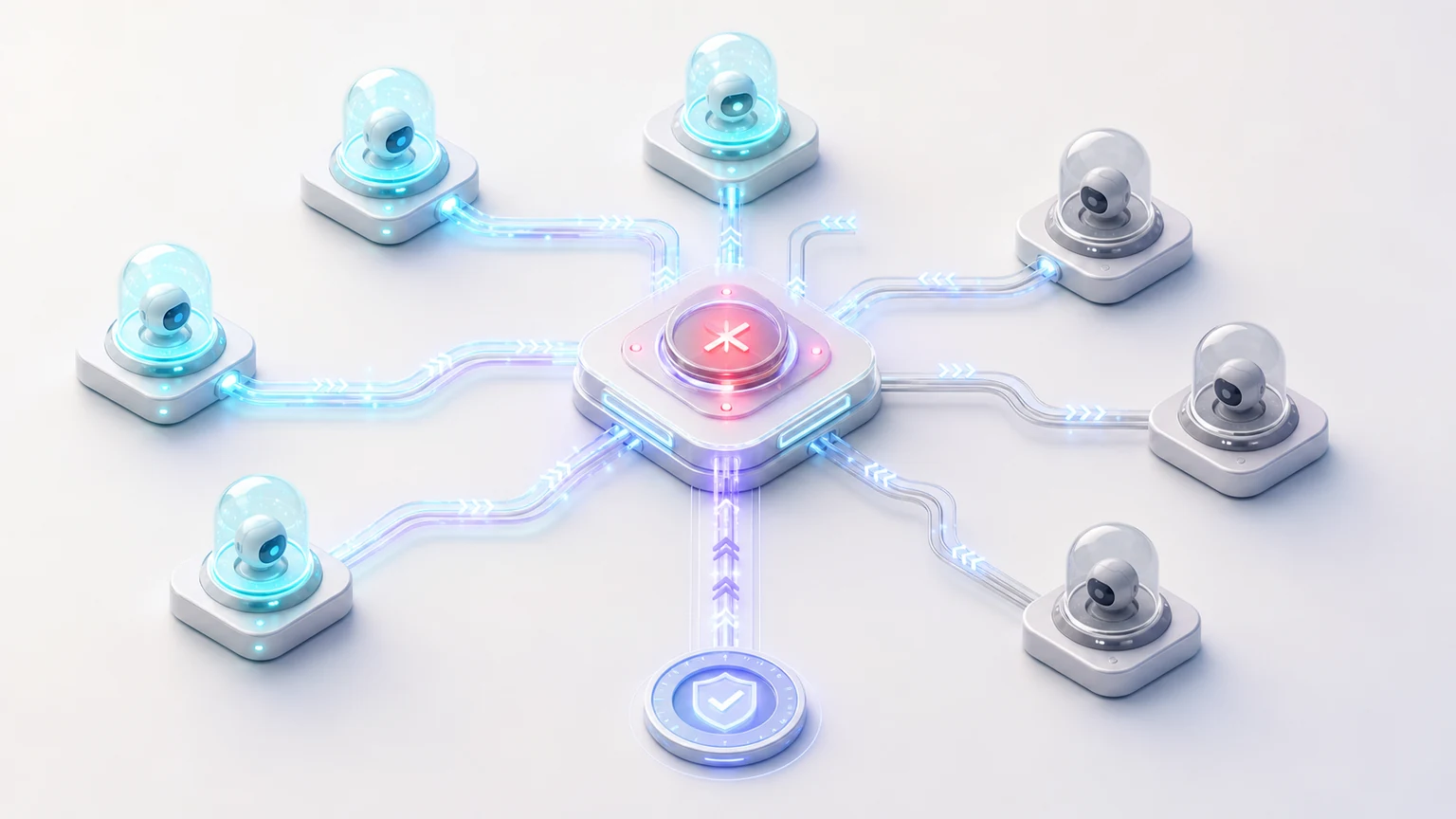 faq-enterprise
What does "revocation that propagates" actually mean?
Enterprise FAQ
A signed pull goes out, every holding agent acknowledges, and an attestation issues when zero holders remain. Settlement is proven, not assumed.
Open cardfaq-enterpriseHow do passports map to people, services, and agents?
Enterprise FAQ
One passport per actor, human or agent. Reputation accrues across five trust tiers, and any receipt resolves to who, at what tier, under which grants.
Open card faq-enterprise
How do we reconcile immutable audit trails with data erasure?
Enterprise FAQ
Receipts commit to hashes, not content, so scoped forget erases the data while the chain keeps its integrity. Erasure itself is receipted.
Open card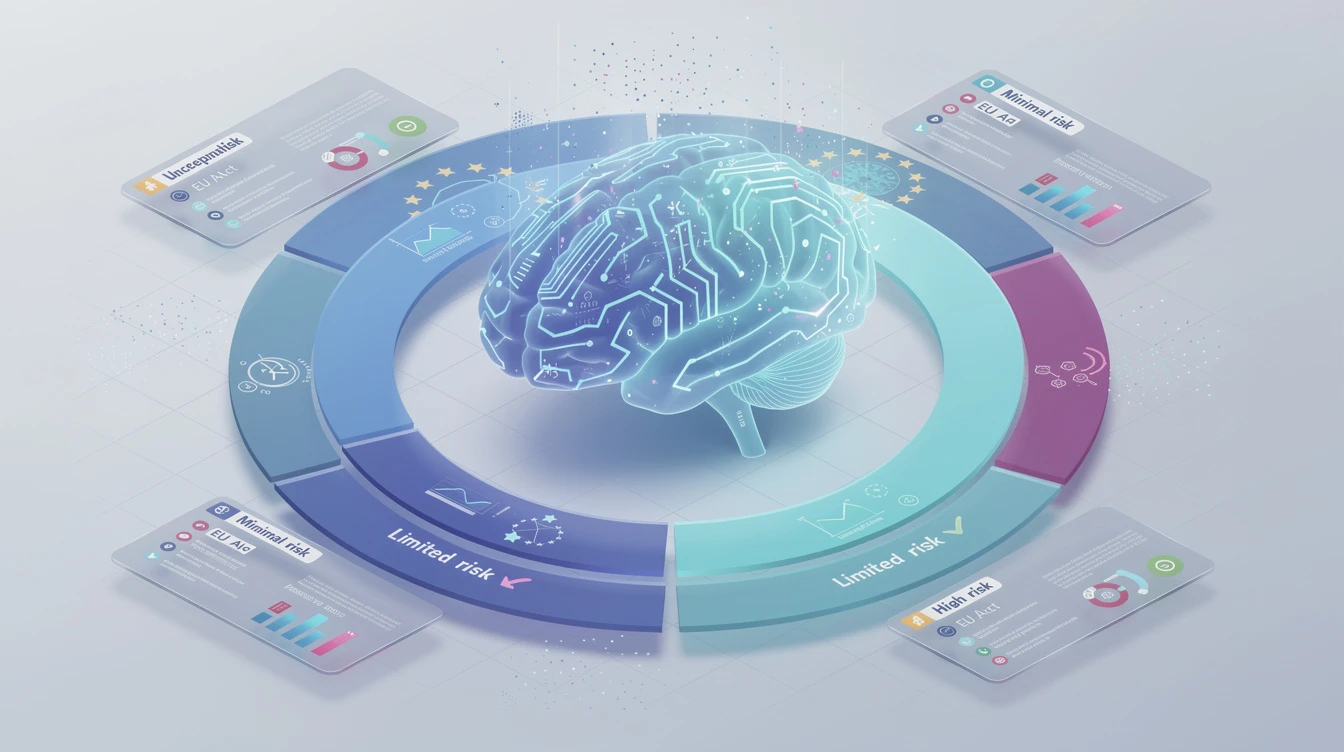 faq-enterprise
How does CueCrux map to the EU AI Act?
Enterprise FAQ
Risk classes on work items, human gates that cannot auto-approve past a timeout, and hash-chained logging: engineering controls, not a legal opinion.
Open cardfaq-enterpriseWhat does the Governance tier add over Pro?
Enterprise FAQ
Governance (£50/user·mo) adds fleet-wide attribution, policy gates, and revocation that propagates with proof. Pro (£20) covers sync and multi-device passports.
Open card faq-investor
What market gap does CueCrux fill?
Investor FAQ
Enterprises are deploying agent fleets faster than they can govern them. The layer that proves, attributes, and revokes agent behaviour is missing.
Open cardfaq-investorHow is CueCrux different from other companies in the agent space?
Investor FAQ
Evidence rather than dashboards: signed, offline-verifiable receipts as the substrate, with the compliance machinery identical to the operating machinery.
Open cardfaq-investorHow does CueCrux monetise?
Investor FAQ
Free local daemon as the wedge; Pro at £20 and Governance at £50 per user per month; metered credits (~£0.01/Cr) on hosted heavy lifts, every spend receipted.
Open cardfaq-investorWhat makes CueCrux defensible?
Investor FAQ
Accumulated verifiable history: hash-chained receipts and passport reputation gain value in place and cannot be exported to a competitor as evidence.
Open card faq-investor
How large is the opportunity?
Investor FAQ
Every organisation running agents at scale needs attribution and governance; regulated sectors need it first, on the EU AI Act's statutory timetable.
Open cardfaq-investorWhat stops a large vendor from copying CueCrux?
Investor FAQ
Bolt-on logging is not evidence. Matching CueCrux means rebuilding storage, identity, and policy around signed receipts, against conflicting incentives.
Open card legal
legalAccessibility statement
Legal & policy
Our accessibility commitments for cuecrux.com, this explore catalogue, and the local operator console, and how to report a problem.
Open card legal
legalPrivacy notice
Legal & policy
How CueCrux handles personal data: local-first by design, minimal collection for hosted services, Paddle for payments, and GDPR rights including receipted erasure.
Open card legal
legalRefund policy
Legal & policy
How refunds and cancellations work for CueCrux subscriptions and credit top-ups purchased through Paddle, our merchant of record.
Open card legal
legalTerms of use
Legal & policy
The terms governing cuecrux.com, the hosted services, and the Crux Daemon software: licences, acceptable use, credits, disclaimers, and liability.
Open cardexplorerCan a fleet of agents share one memory?
Many agents, one spine: shared memory with governance attached
Many agents share one receipted memory spine: attributable writes, budgeted retrieval, handoffs, and a work board humans can see.
Open card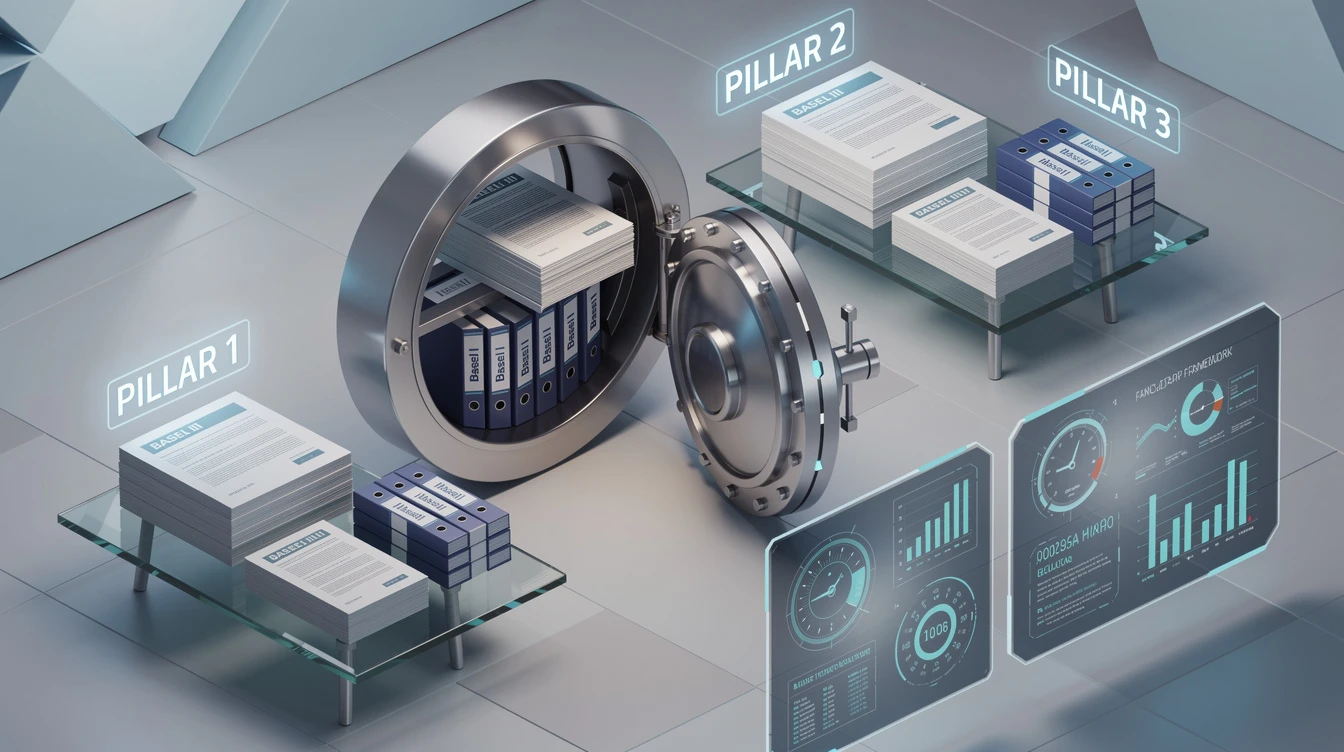 explorer
Can CueCrux tell me what my agents cost?
Attribution from fleet to agent to verb to receipt, nothing estimated
Every unit of spend resolves from fleet to agent to verb to receipt, with nothing estimated and every credit spend minting its own receipt.
Open cardexplorerWhat does the Governance tier include?
Fleet-wide attribution, policy gates, and revocation with proof
Governance, at £50 per user per month, adds fleet-wide cost attribution, policy gates, and revocation that propagates with proof.
Open cardexplorerHow does CueCrux plug into my agents and tools?
MCP-native: 100+ tools any compliant agent can call
The Crux Daemon speaks the Model Context Protocol and exposes more than 100 tools for memory, retrieval, work tracking and governance, so existing agents integrate without a custom SDK.
Open card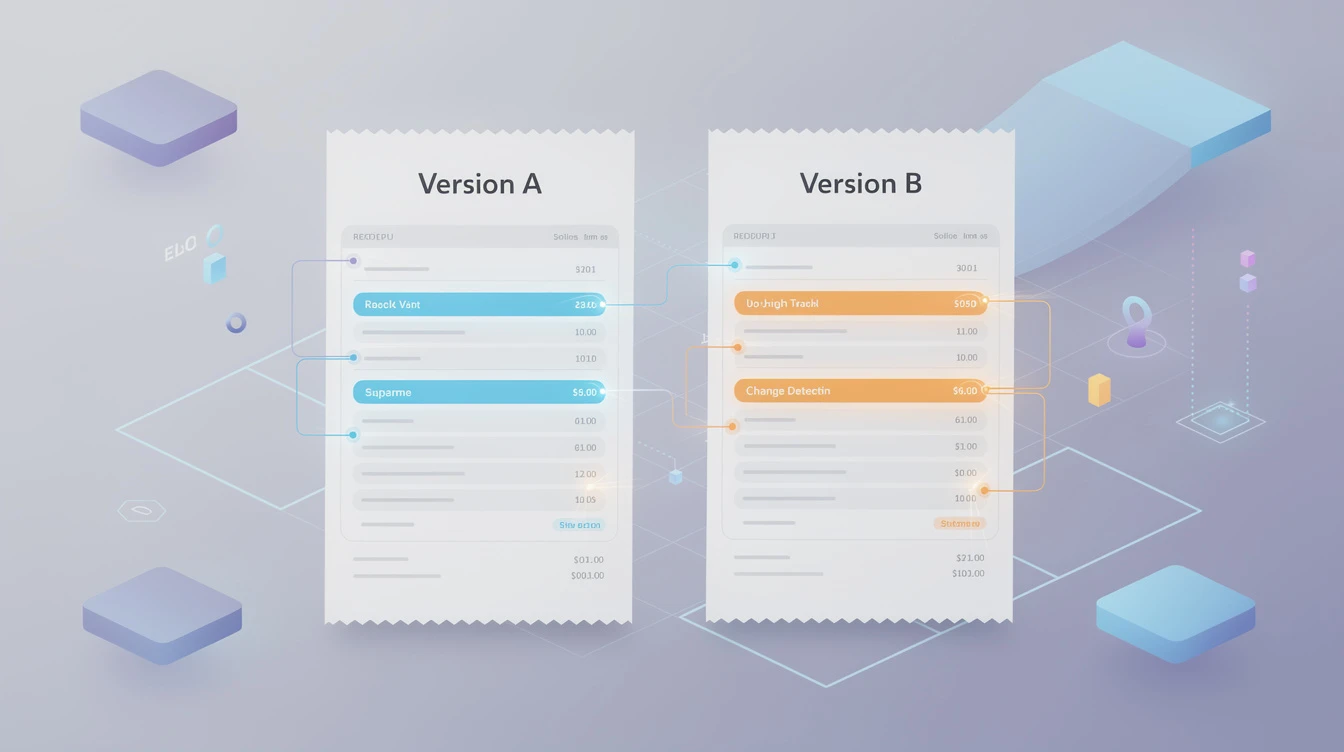 explorer
Can I export receipts and memory?
Context export, .cruxpack portability, and attestation for outputs
Context exports verify offline and reject tampering, .cruxpack moves whole stores, and C2PA attestation is available behind a default-off flag.
Open card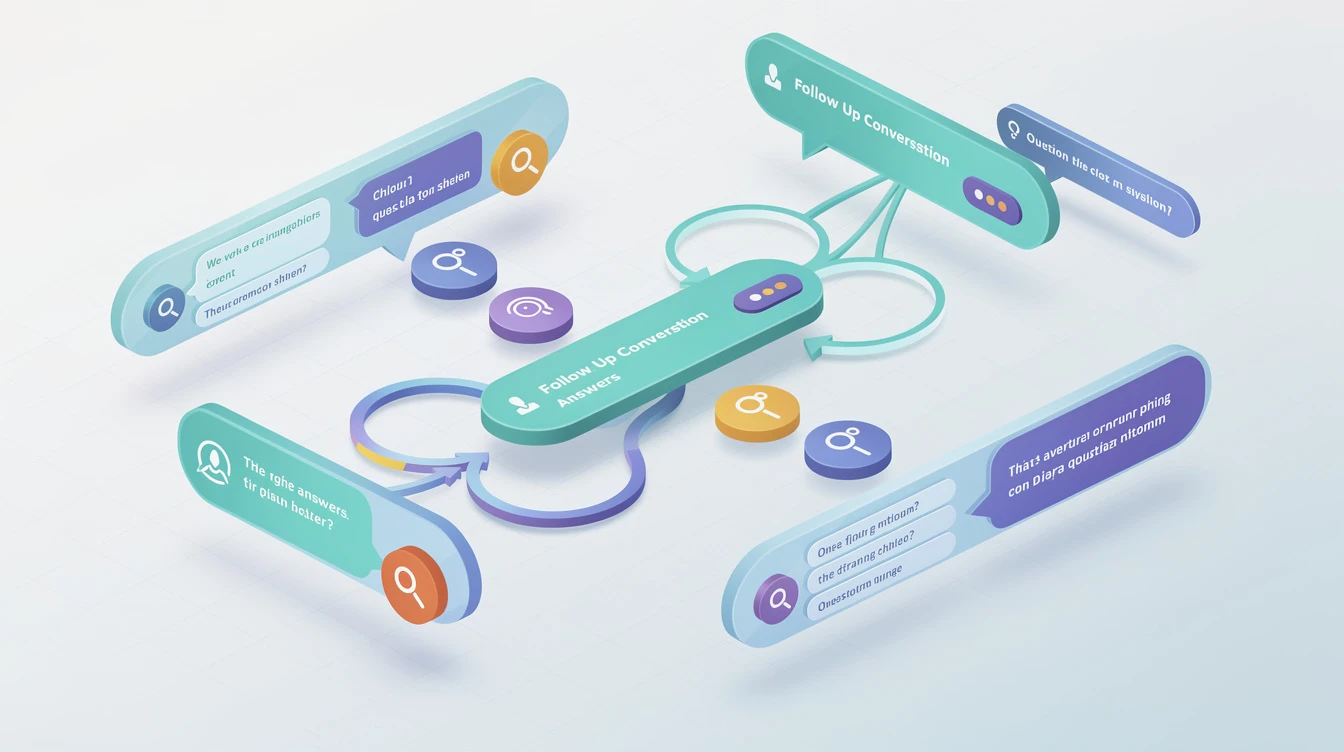 explorer
Can work continue across sessions?
Sessions, checkpoints, handoffs, and procedures that carry their provenance
Sessions, checkpoints, handoffs, ExecPlans and engrams carry work between sessions with the receipts attached.
Open card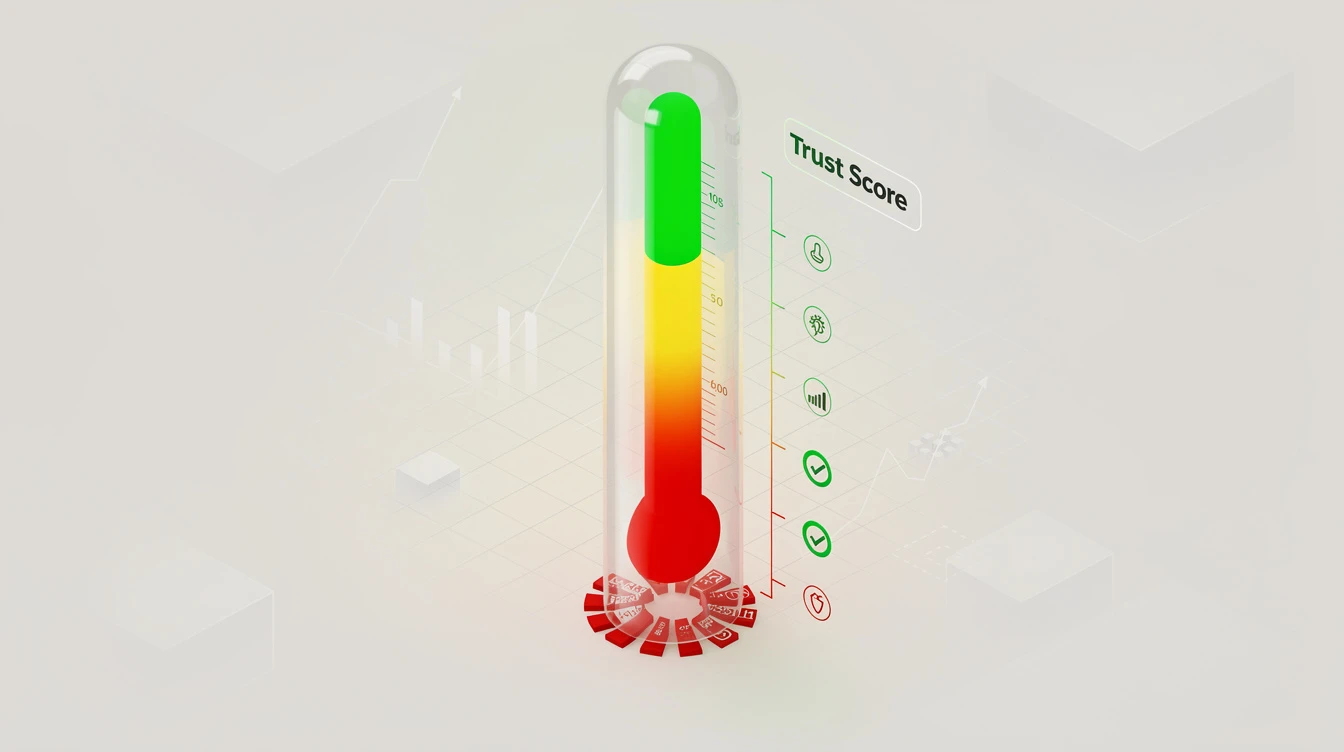 explorer
What are passports and trust tiers?
Identity that earns reputation: bind, carry, earn, answer
Every connection binds to a passport, every call carries it, and verified receipts accrue as reputation across five trust tiers.
Open card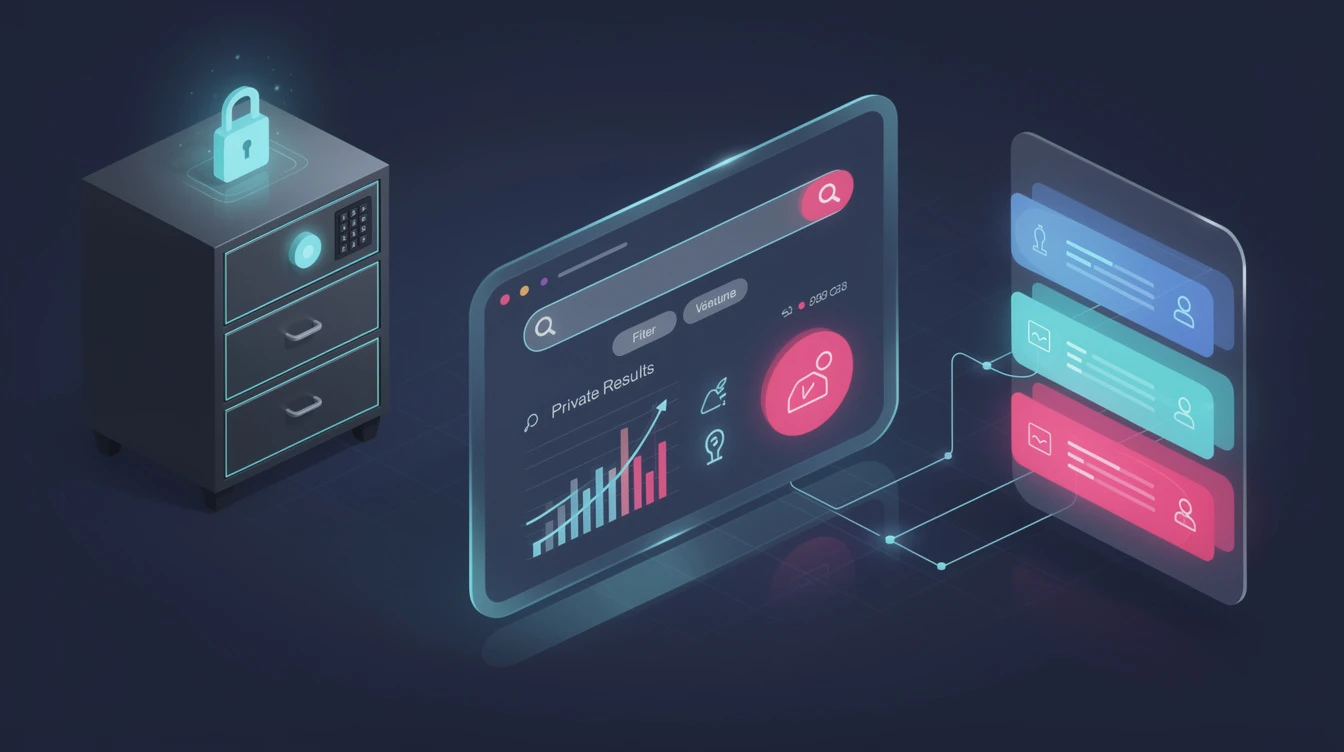 explorer
How does CueCrux handle my private data?
Local-first by design: memory and retrieval run on your machine
The Crux Daemon stores and searches agent memory on your own hardware. Nothing leaves the machine unless you explicitly opt into hosted lanes, and every state change is signed and attributable.
Open card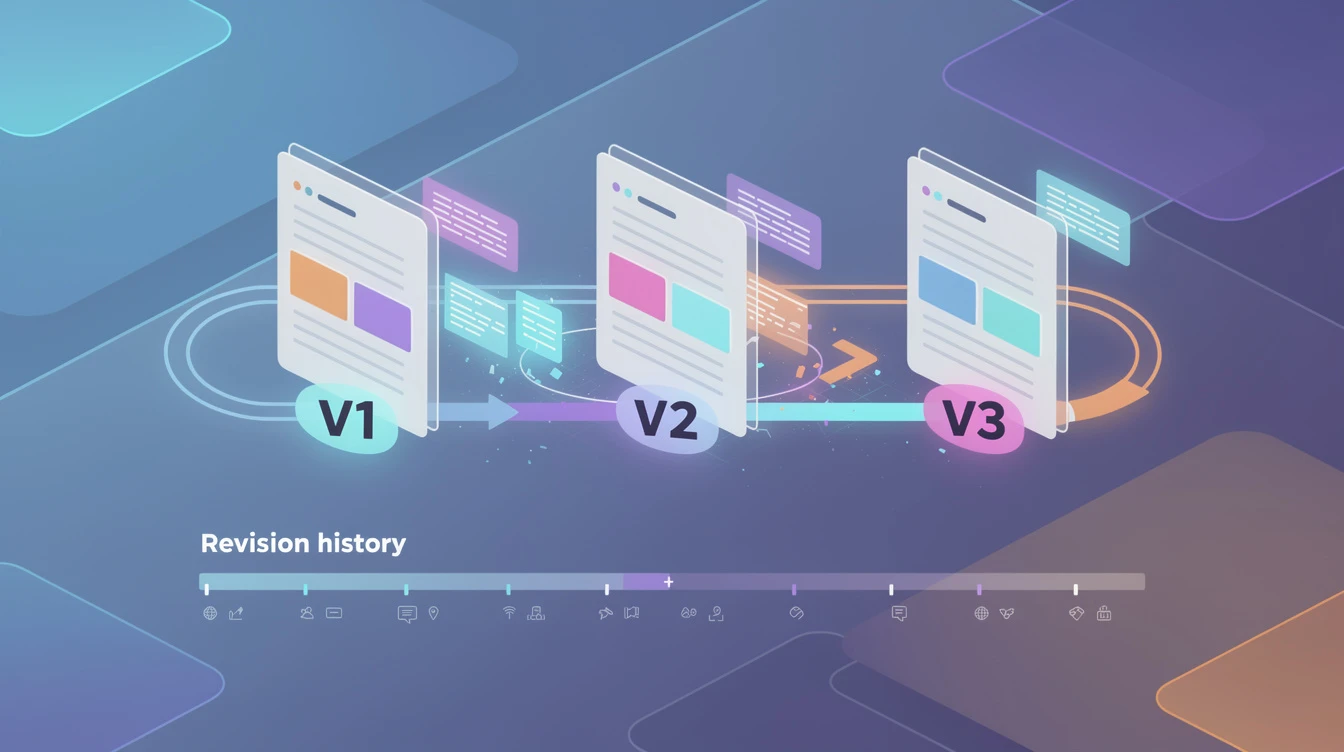 explorer
What happens when stored knowledge changes?
Append-only history: corrections add, they never silently overwrite
Every state change in CueCrux is a new, signed entry on an append-only spine. You can always see what was recorded, when, by whom, and what superseded it.
Open cardexplorerDoes context survive across sessions?
Sessions, checkpoints and handoffs instead of one endless chat
Work in CueCrux is organised into sessions with checkpoints and cross-session handoffs, so an agent can stop, resume, or pass work to another agent without losing the trail.
Open card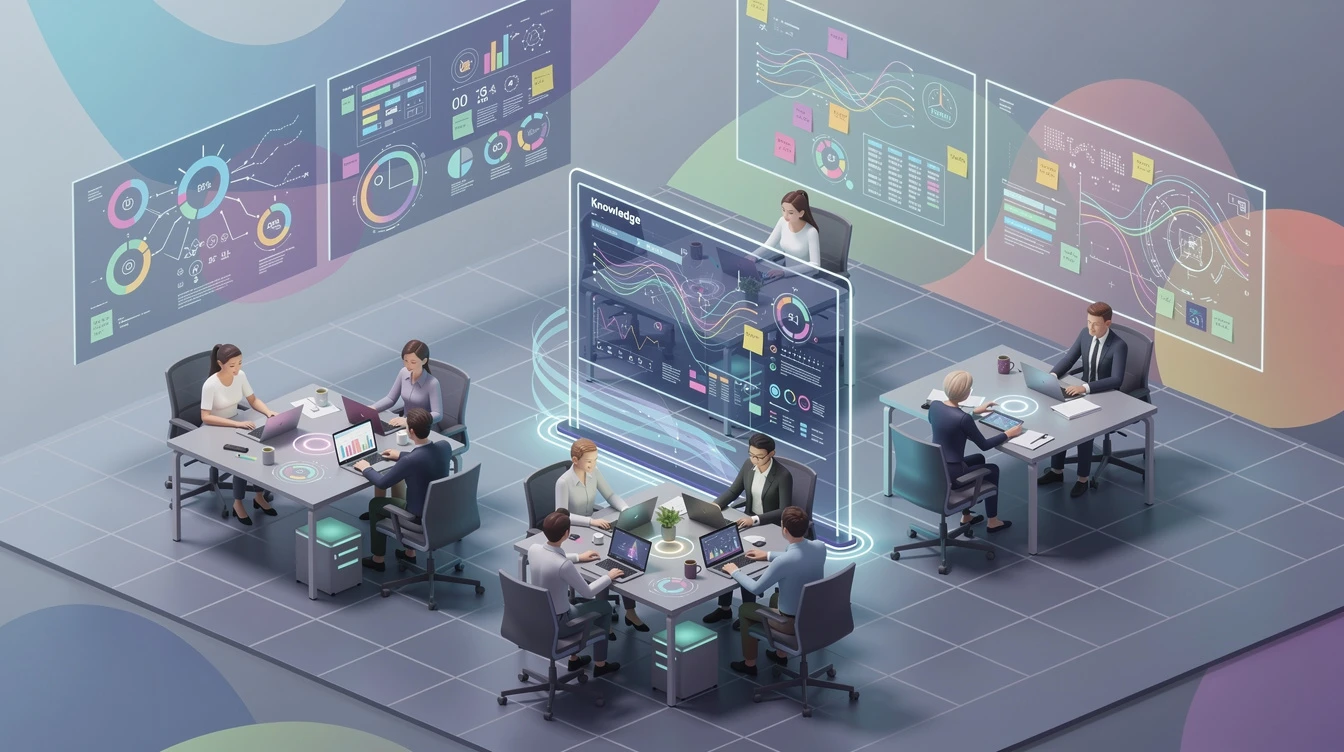 explorer
How do teams and their agents share memory?
Many agents, one shared spine, every write attributed
CueCrux gives a fleet of agents one shared memory spine: common facts, work boards and handoffs, with every write bound to a passport so nothing is anonymous.
Open card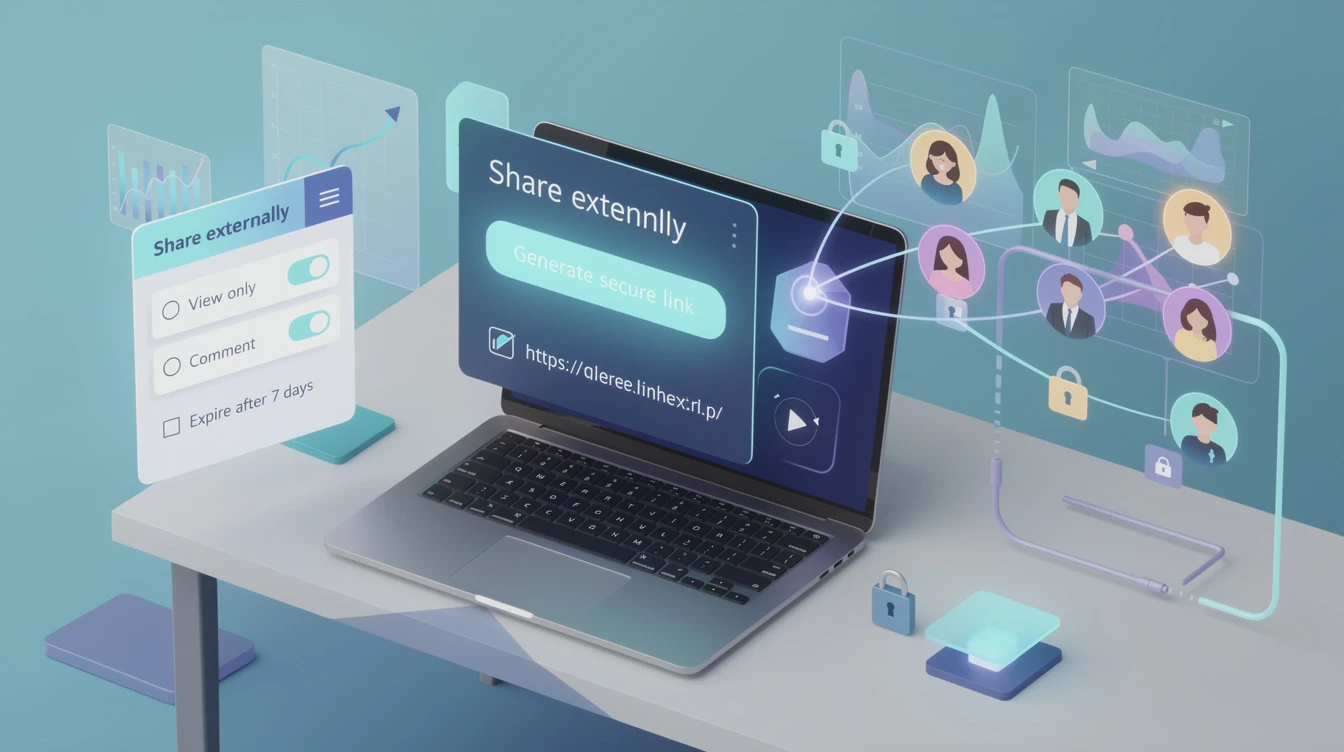 explorer
Can I share evidence with people outside my organisation?
Export the trail; anyone can verify it offline
CueCrux evidence travels. Export a context pack, hand it over, and the recipient verifies the signatures and hash chain offline, with no account and no connection to your systems.
Open card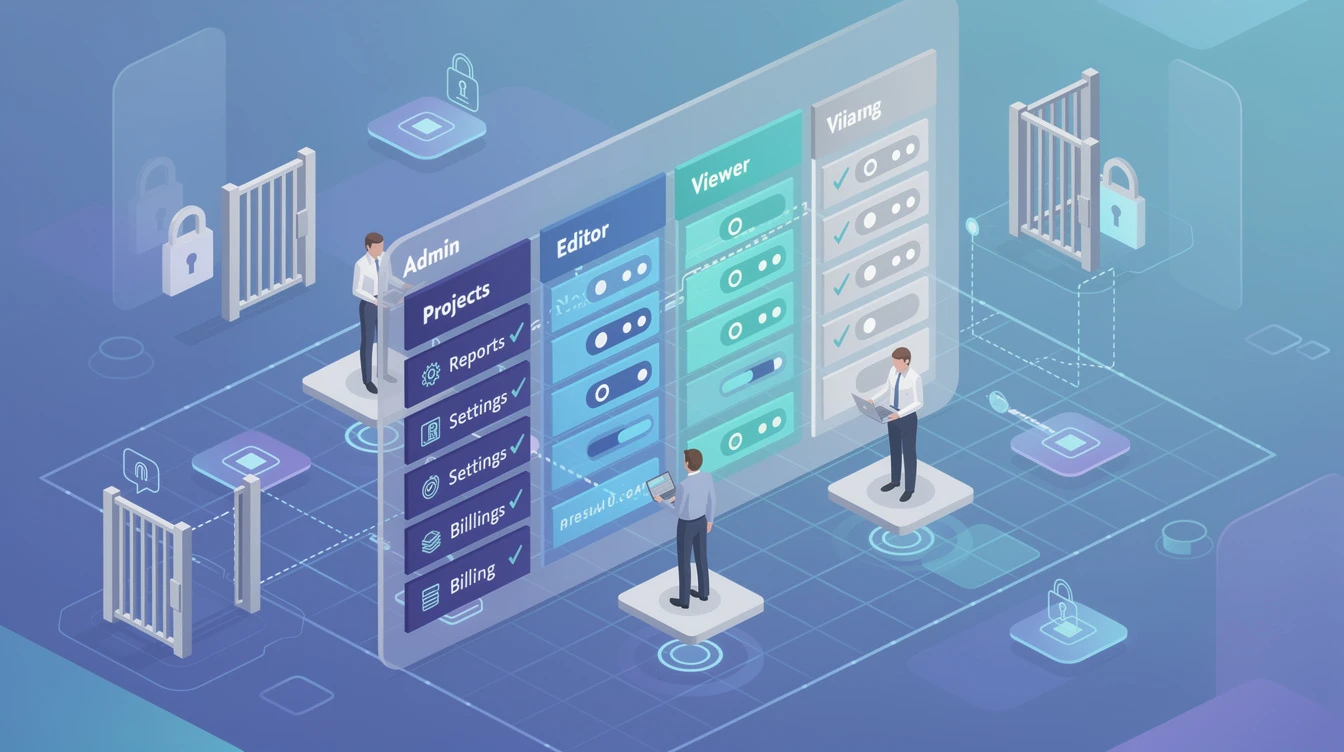 explorer
How do permissions work in CueCrux?
Per-request capability tokens, not standing role checkboxes
RCX replaces standing roles with short-lived capability tokens scoped to tools, tenant and tier, issued per request and verifiable offline. Refusals fail closed with a signed receipt.
Open card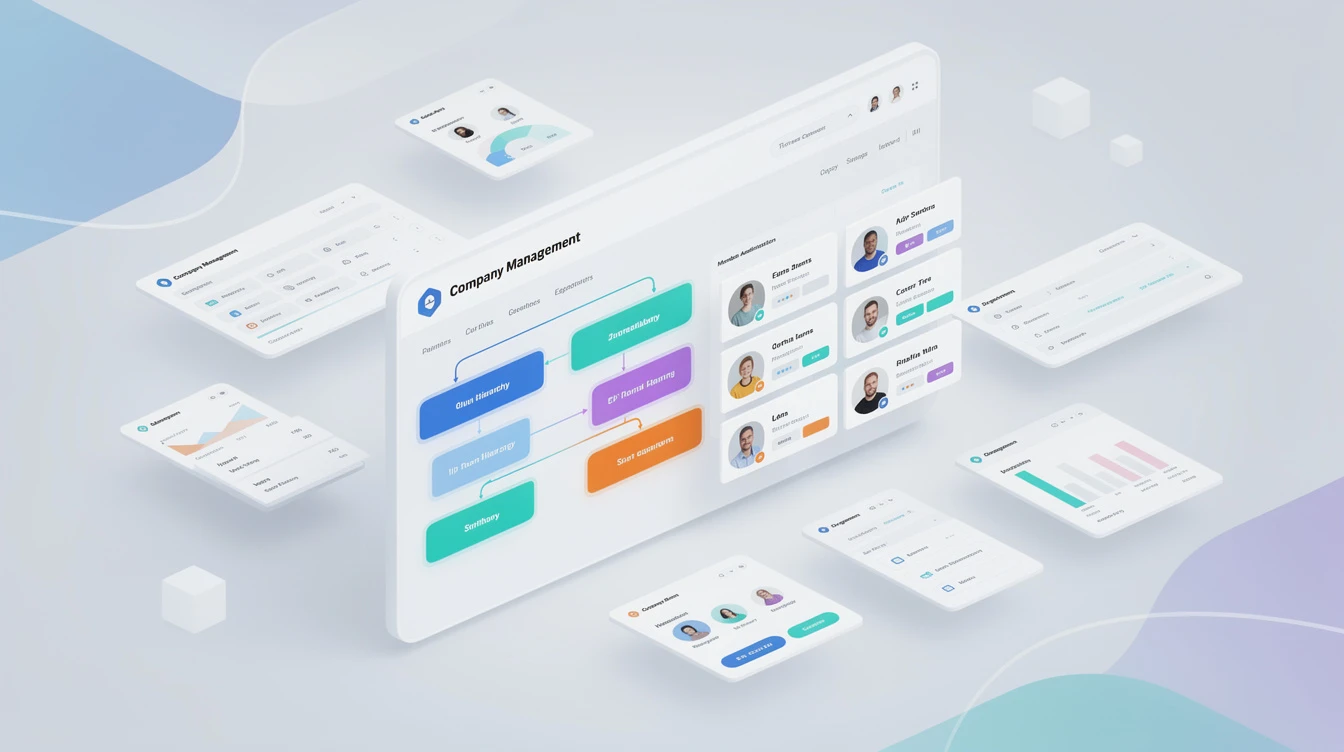 explorer
How does organisation-level governance work?
Fleet-wide attribution, policy gates and revocation with proof
The Governance tier gives an organisation one view over its whole fleet: every action and every unit of spend attributed through fleet, agent, verb and receipt, policy gates on risky work, and revocation that provably propagates.
Open card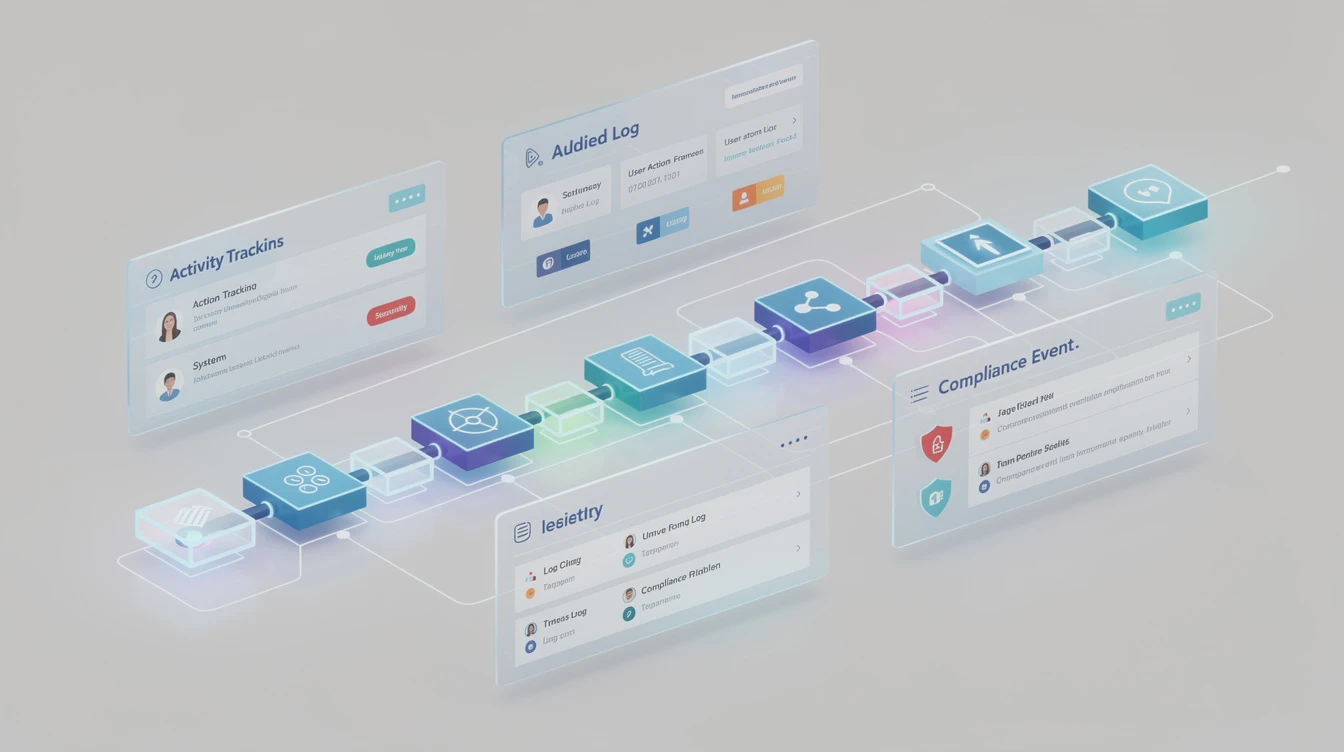 explorer
What does the audit trail look like?
Receipts are the log: signed, hash-chained, tamper-evident
CueCrux does not keep a separate audit log. The receipt chain is the log: every state mutation is signed with Ed25519 and chained on a BLAKE3 append-only spine, and tampering is detectable offline.
Open card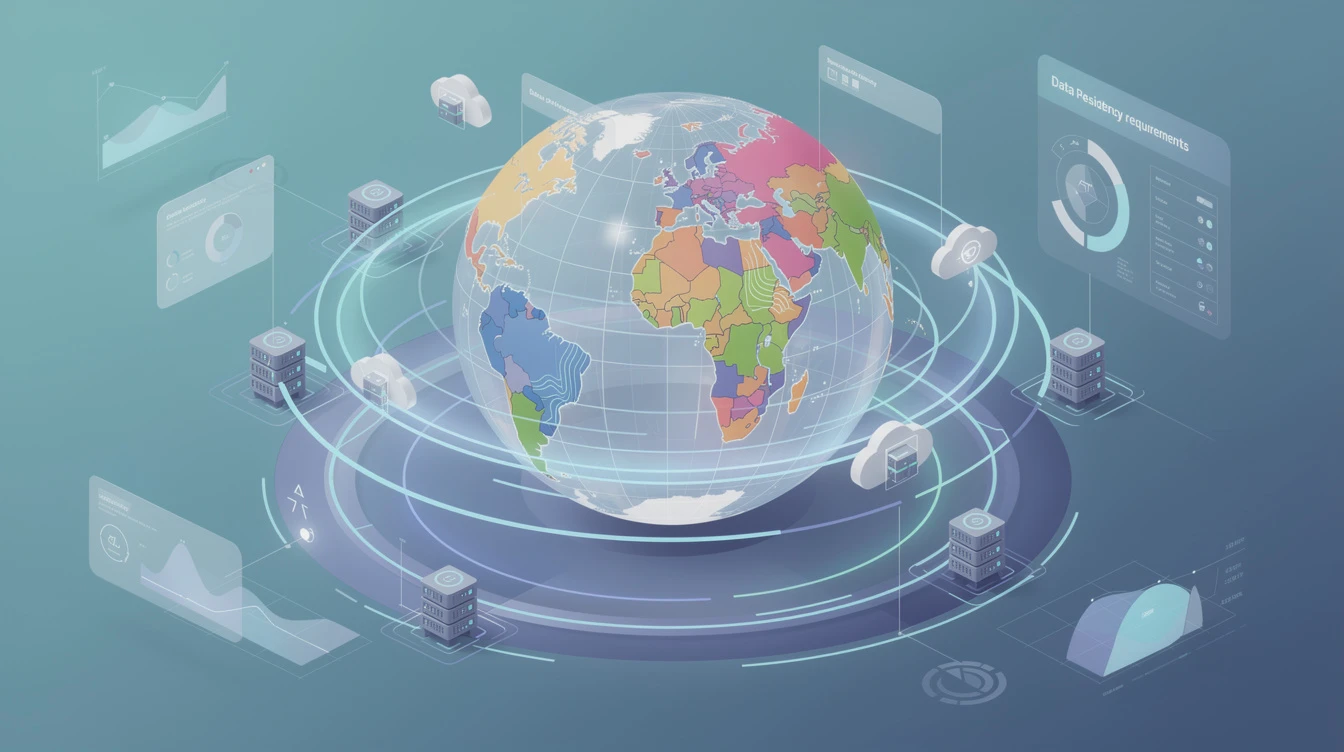 explorer
Where does my data live?
On your machine by default; hosted lanes are strictly opt-in
The strongest residency guarantee is not a region picker but a binary on your own hardware. The Crux Daemon keeps memory, receipts and retrieval local unless you explicitly opt into hosted services.
Open card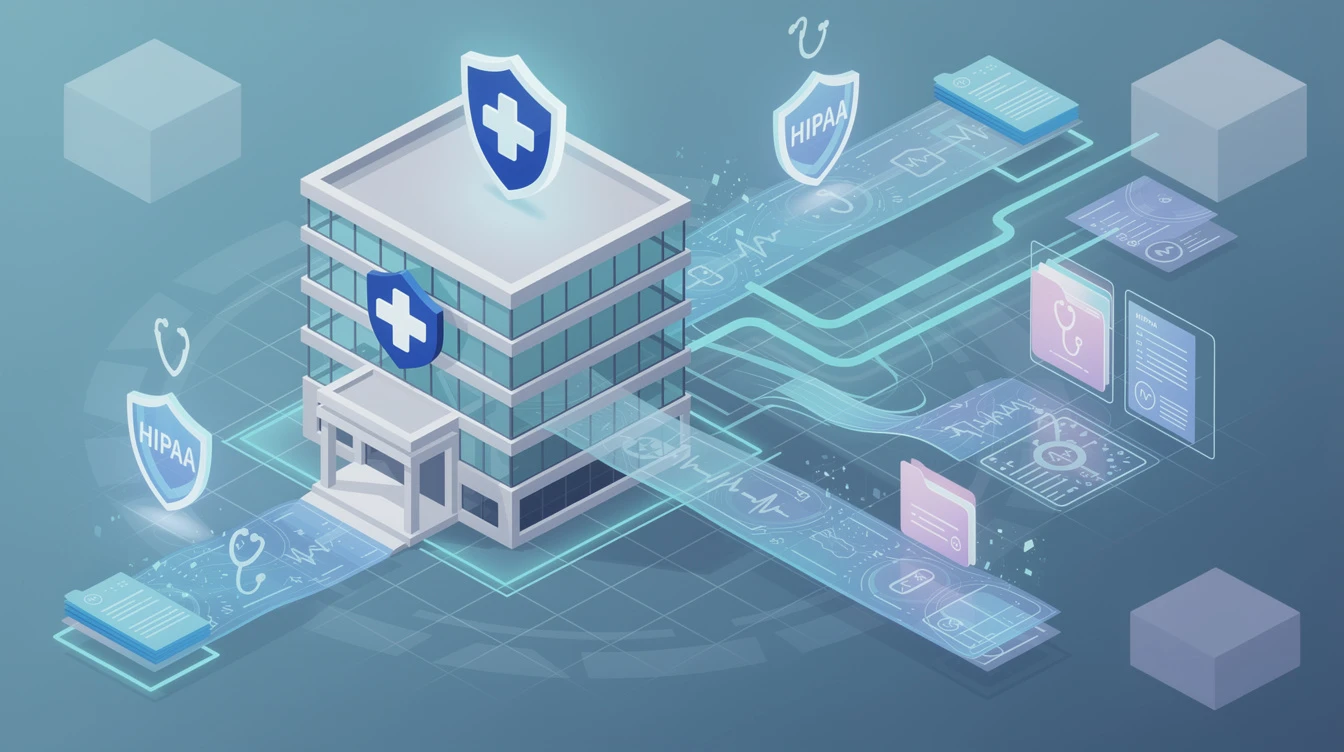 domain
Healthcare Compliance
Agent fleets in HIPAA-regulated work, with proof
Run AI agents on healthcare compliance work where every touch on patient-adjacent data leaves a signed, replayable record.
Open carddomainFinancial Regulation
Auditable agent fleets for Basel, MiFID II, and Dodd-Frank work
Deploy agents on regulatory research and reporting where every figure traces back through a signed receipt chain.
Open card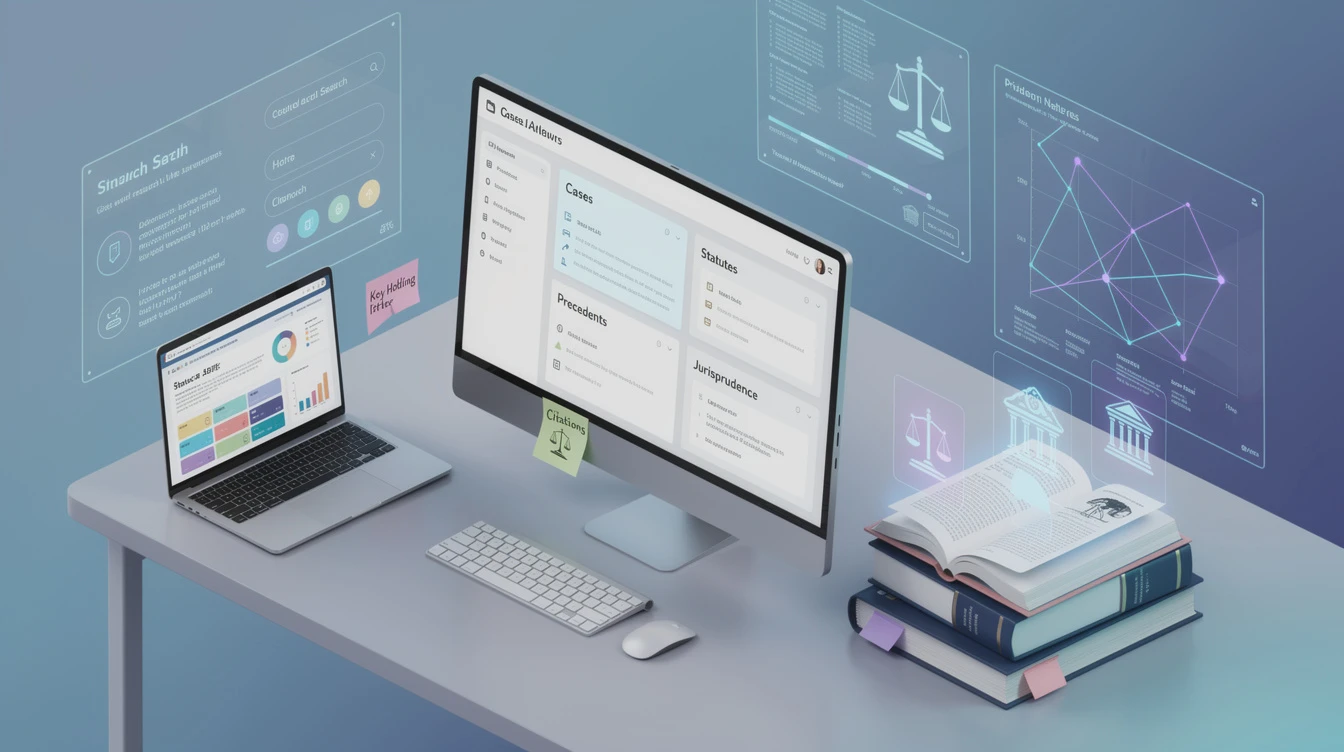 explorer
Is CueCrux suitable for legal teams?
Confidential by architecture, evidential by default
Legal teams adopting AI agents get a memory and governance layer that keeps privileged material on their own machines and produces a signed, replayable record of what the agents actually did.
Open card usecase
Academic Research
Literature reviews with citations that resolve
Systematic review where the search strategy is receipted and every citation opens its source.
Open card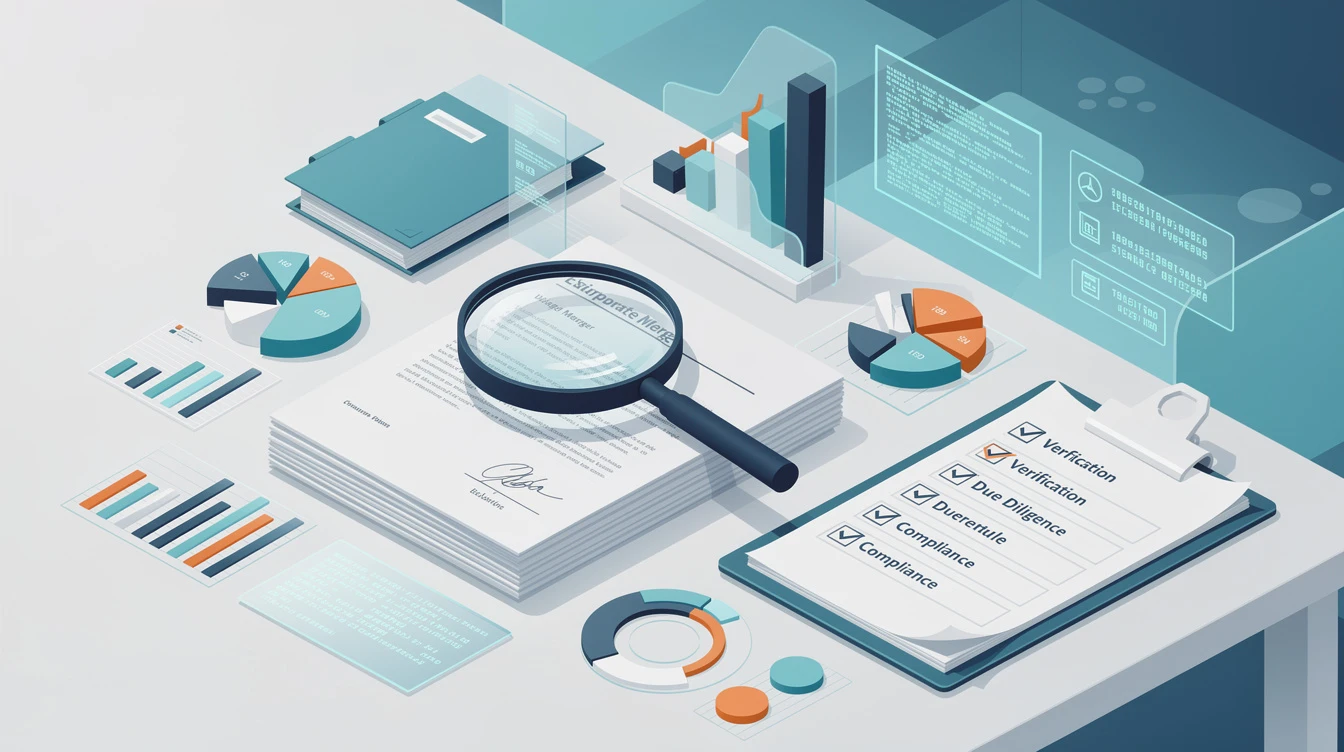 usecase
Due Diligence
Evidence packs your counterparty can verify offline
Agents assemble transaction diligence where every finding is receipted and the pack verifies without trusting you.
Open card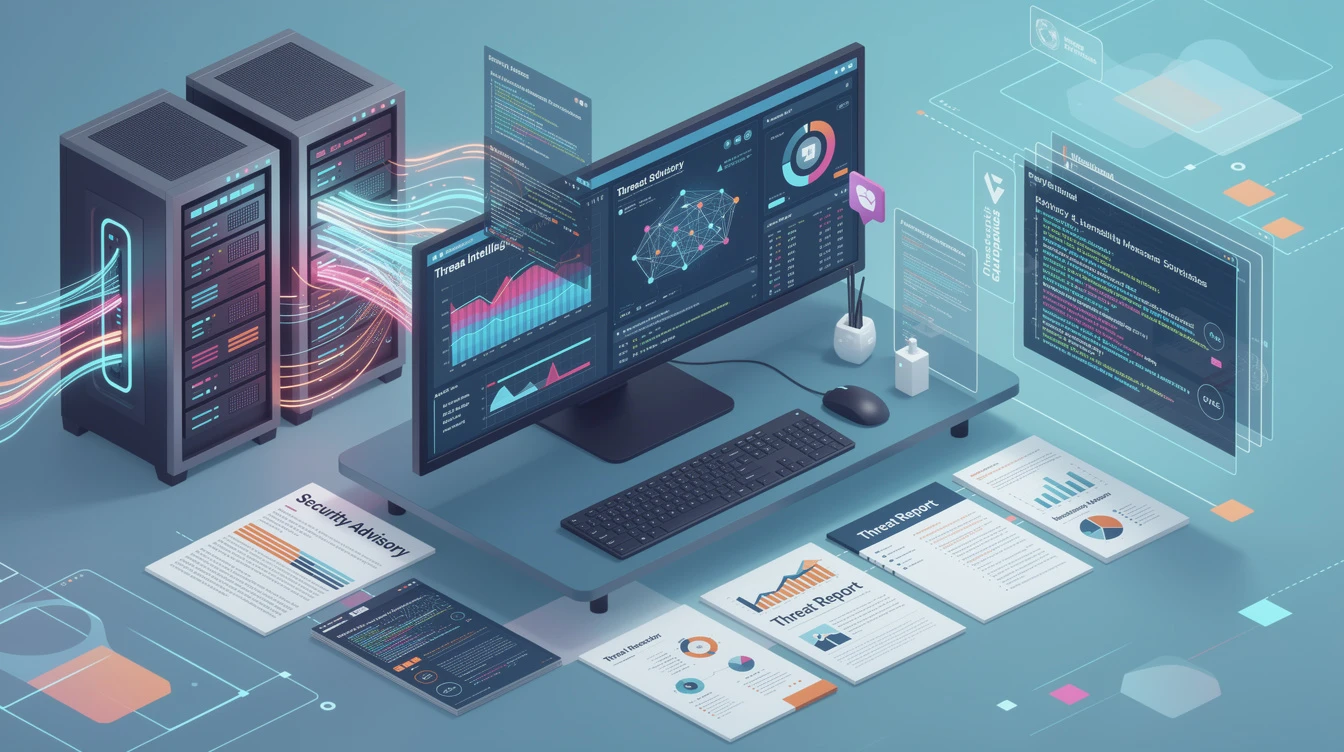 explorer
What does CueCrux give security teams?
Fail-closed policy, tamper-evident logs, revocation with proof
Security teams get controls built for agent fleets: per-request capability tokens that fail closed, an append-only evidence chain that exposes tampering, and revocation that propagates with per-agent acknowledgements.
Open card explorer
How does CueCrux map to the EU AI Act?
The compliance machinery is the machinery everything runs on
CueCrux does not bolt compliance onto the side. Risk classes, human gates, hash-chained logging and provable deletion are the same mechanisms every agent action already uses, mapped to the obligations the EU AI Act describes.
Open card usecase
Regulatory Filing
Submissions where every claim resolves to a signed source
Agent-assembled filings with receipted evidence and a human gate before anything reaches the regulator.
Open card usecase
Evidence Review
Litigation support with a cryptographic chain of custody
Systematic review where custody is the hash chain and privileged material never leaves your machines.
Open cardusecaseCompliance Audit
Give the auditor a trail to replay, not a deck to believe
Gap analysis where findings are receipted, remediation is tracked, and the audit itself is auditable.
Open card usecase
Policy Comparison
Cross-jurisdiction analysis with every difference cited
Agents sweep multiple jurisdictions and every cell in the comparison matrix resolves to its source provision.
Open card usecase
Claim Verification
Check assertions against sources, then check the checker
Third-party claims evaluated against receipted evidence, with a verification trail that itself verifies offline.
Open card usecase
Risk Assessment
Risk classes that gate what agents may do next
Assessment wired into execution: risk classes on plans and work items decide what needs a human gate.
Open card usecase
Board Reporting
Fleet reports built from receipts, not from asking around
What the agents did, what it cost, what was refused, and what humans approved, derived from the signed spine.
Open card usecase
Incident Investigation
Replay the signed trail instead of interviewing the logs
When an agent does something wrong, the receipt chain shows exactly what, in order, tamper-evident.
Open card usecase
Market Research
Research agents that show their working
Competitive intelligence with provenance on every insight and token budgets on every sweep.
Open card usecase
Patent Landscape
Prior art sweeps where the methodology is the receipt trail
Landscape and novelty analysis with a signed record of what was searched, when, and in which corpus.
Open card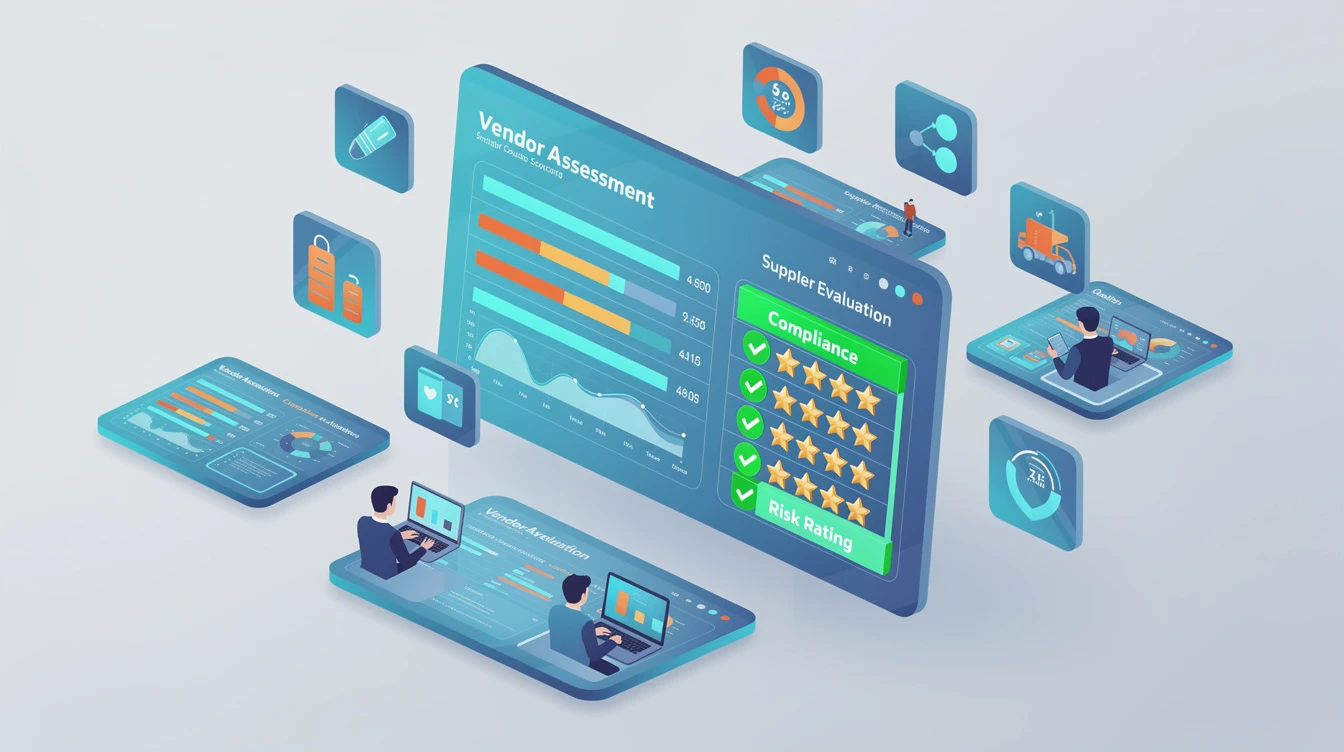 usecase
Vendor Assessment
Third-party risk, assessed with evidence you can keep
Structured vendor evaluation with receipted findings, and a hard question for AI vendors: can they show a verifiable record of what their agents do?
Open card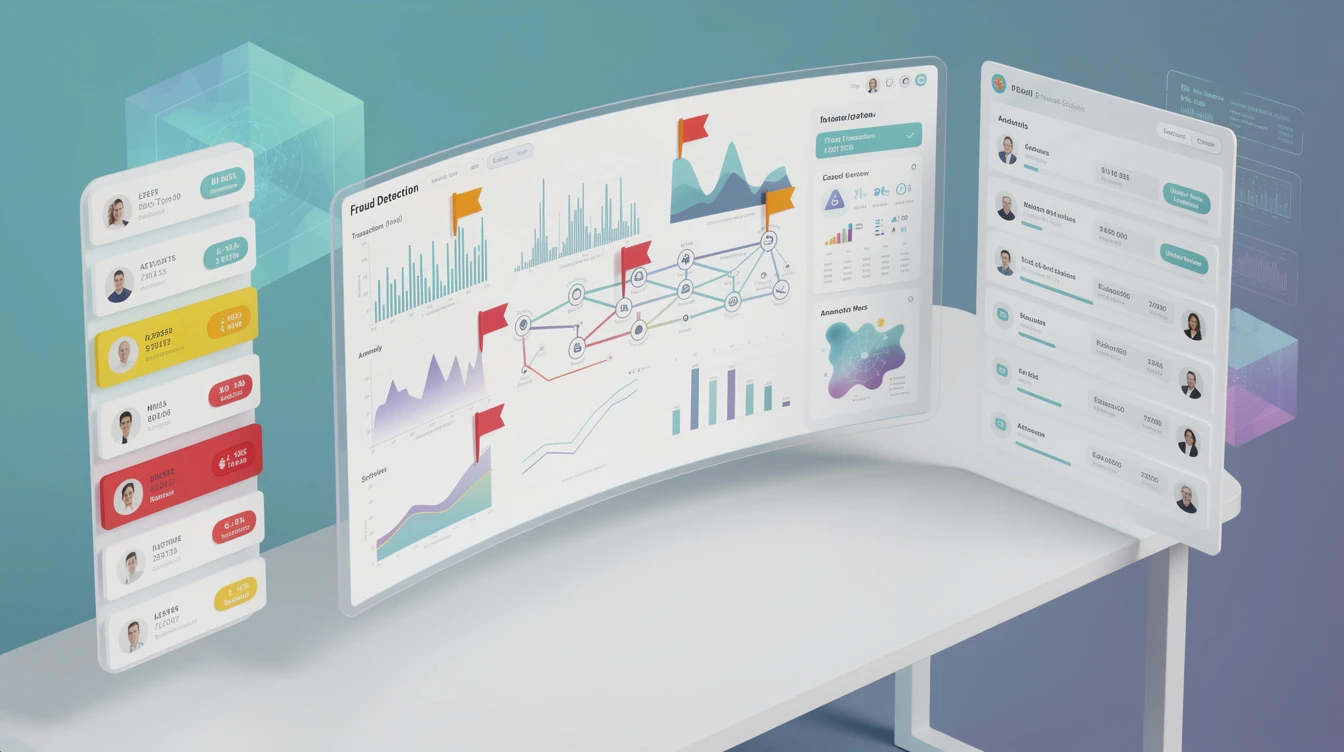 usecase
Fraud Detection
Anomaly analysis over tamper-evident trails
Investigation findings that stand up, because the record they rest on rejects tampering by construction.
Open card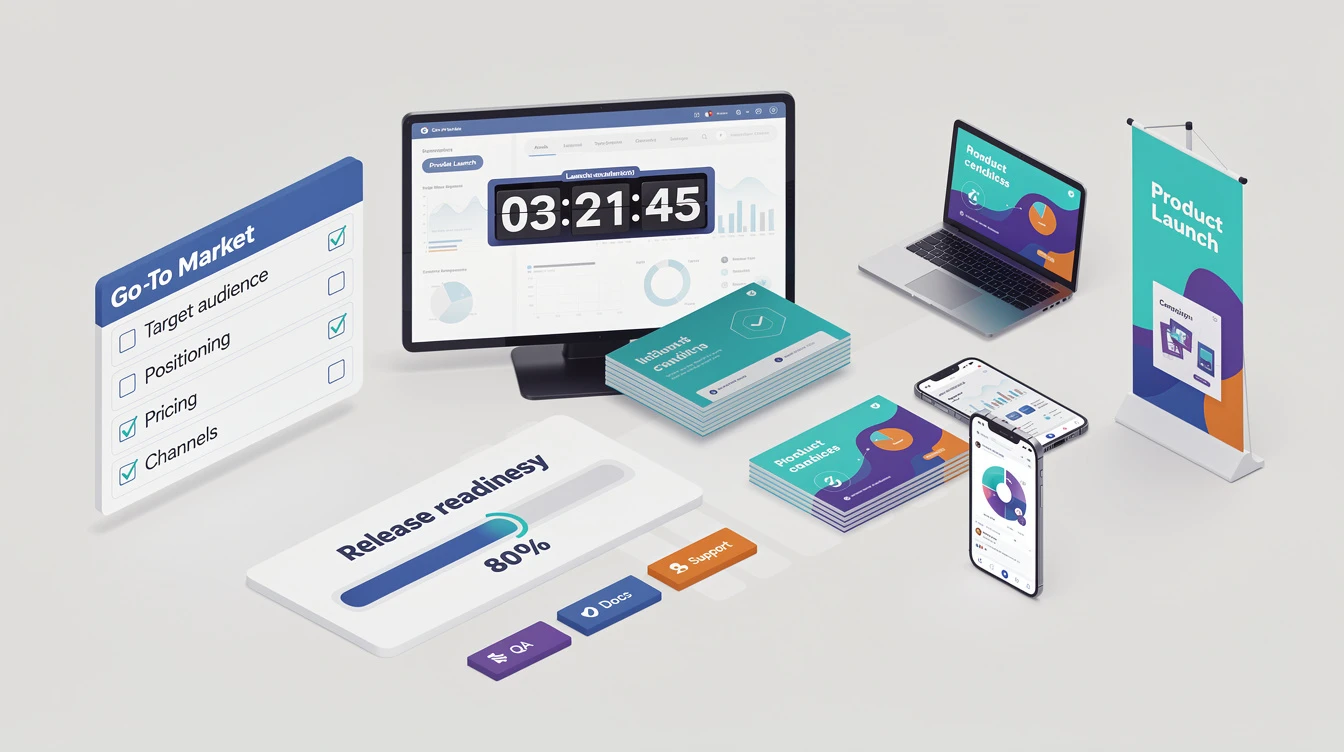 usecase
Product Launch
Ship AI features with the compliance evidence already minted
Launch readiness where risk classification, human gates, and hash-chained logging run from day one of the build.
Open card usecase
Contract Negotiation
Benchmarking positions with evidence, not folklore
What is market gets asserted constantly and evidenced rarely; receipted benchmarks change the conversation.
Open card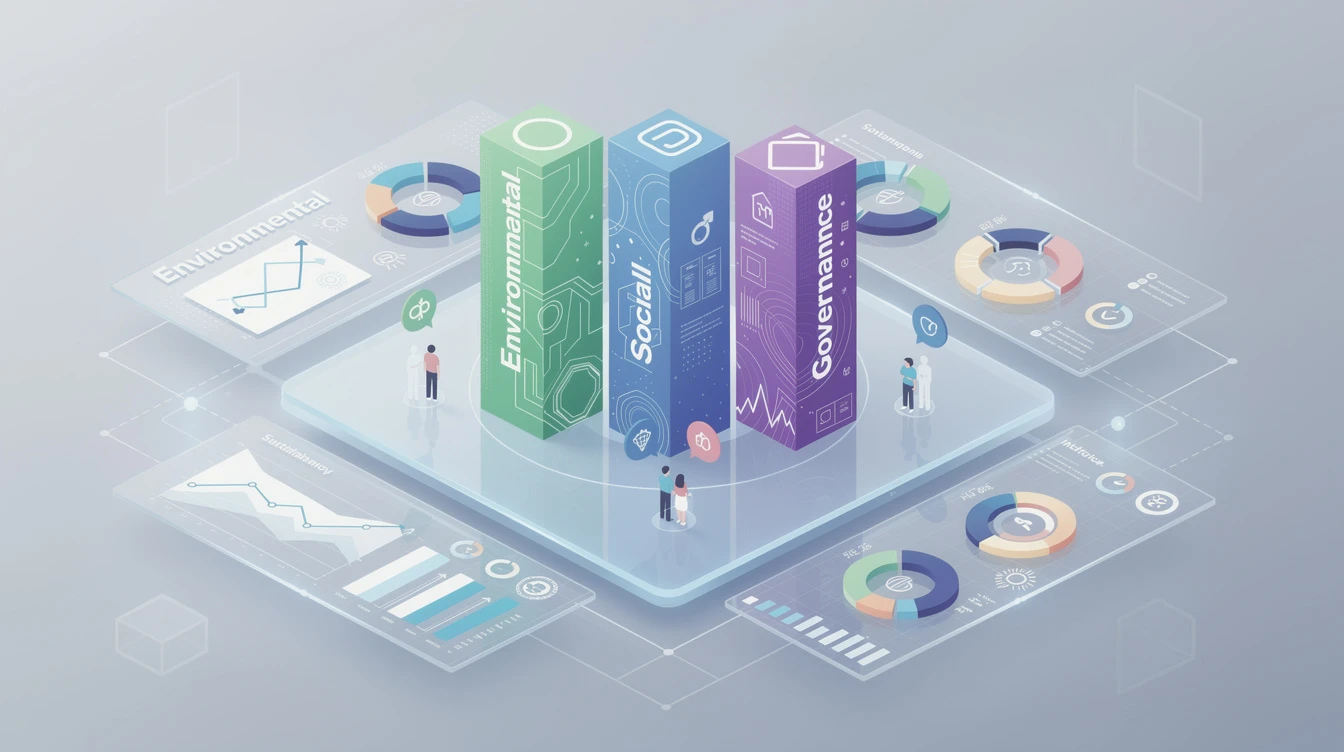 usecase
ESG Reporting
Sustainability metrics with a signed trail to the source
CSRD, TCFD, and ISSB disclosures assembled by agents, with every number traceable and the assembly tamper-evident.
Open card domain
IP Law
Prior art and IP research with a receipted search trail
Agent-run patent and trademark research where the methodology itself is signed, timestamped, and replayable.
Open card domain
Employment Law
High-risk AI territory under the EU AI Act, handled as engineering
Agents in hiring and HR workflows run under risk classes, human gates, and signed refusals.
Open carddomainData Privacy (GDPR)
GDPR obligations as controls the daemon actually enforces
Provable processing, scoped erasure with dry-run, and no anonymous writes, enforced by the same machinery everything runs on.
Open card domain
Contract Analysis
Clause extraction you can trace back to the page
Agent-run contract review where every extracted clause and risk flag carries a receipt to its source passage.
Open card domain
Tax Legislation
Tax research trails built to survive a revenue authority
Agent-assisted tax and transfer pricing research where positions are date-stamped against the guidance in force at the time.
Open card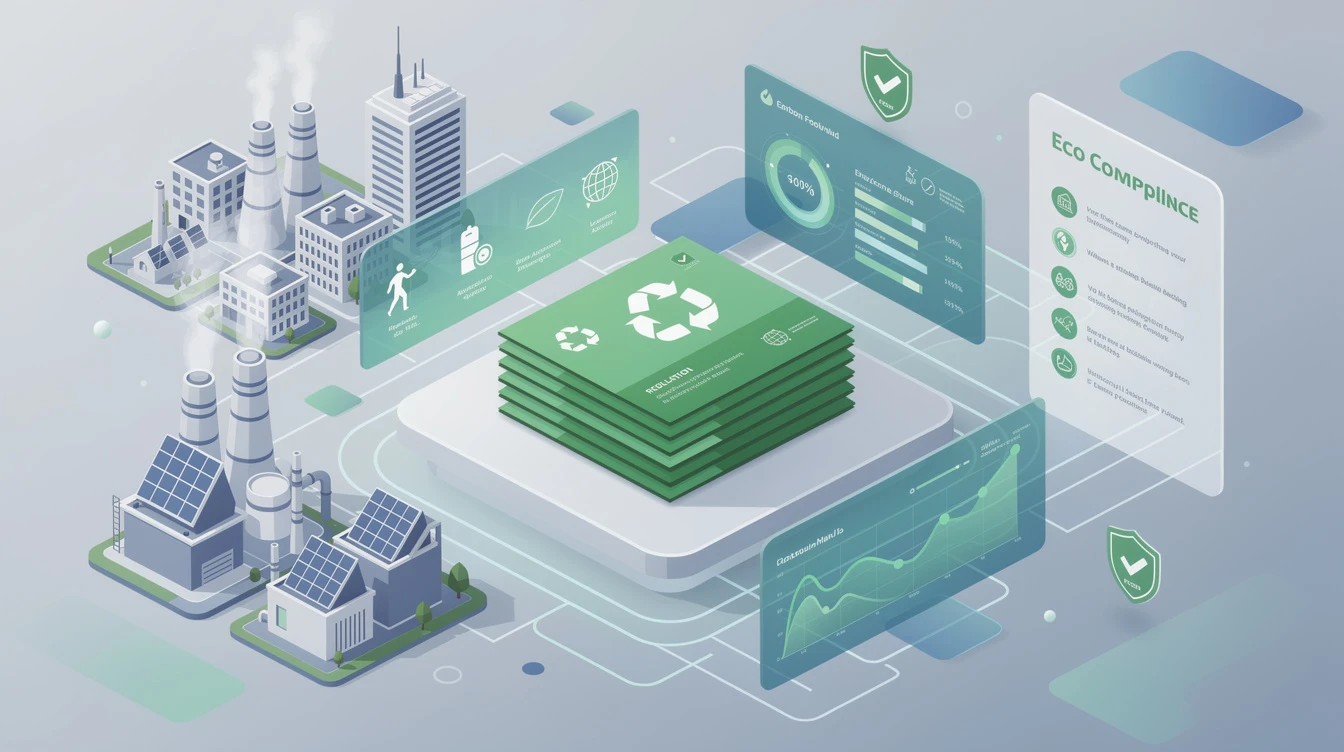 domain
Environmental Policy
ESG and disclosure work with receipts against greenwashing claims
Agents assembling CSRD, TCFD, and ISSB disclosures where every number carries a signed trail to its source.
Open card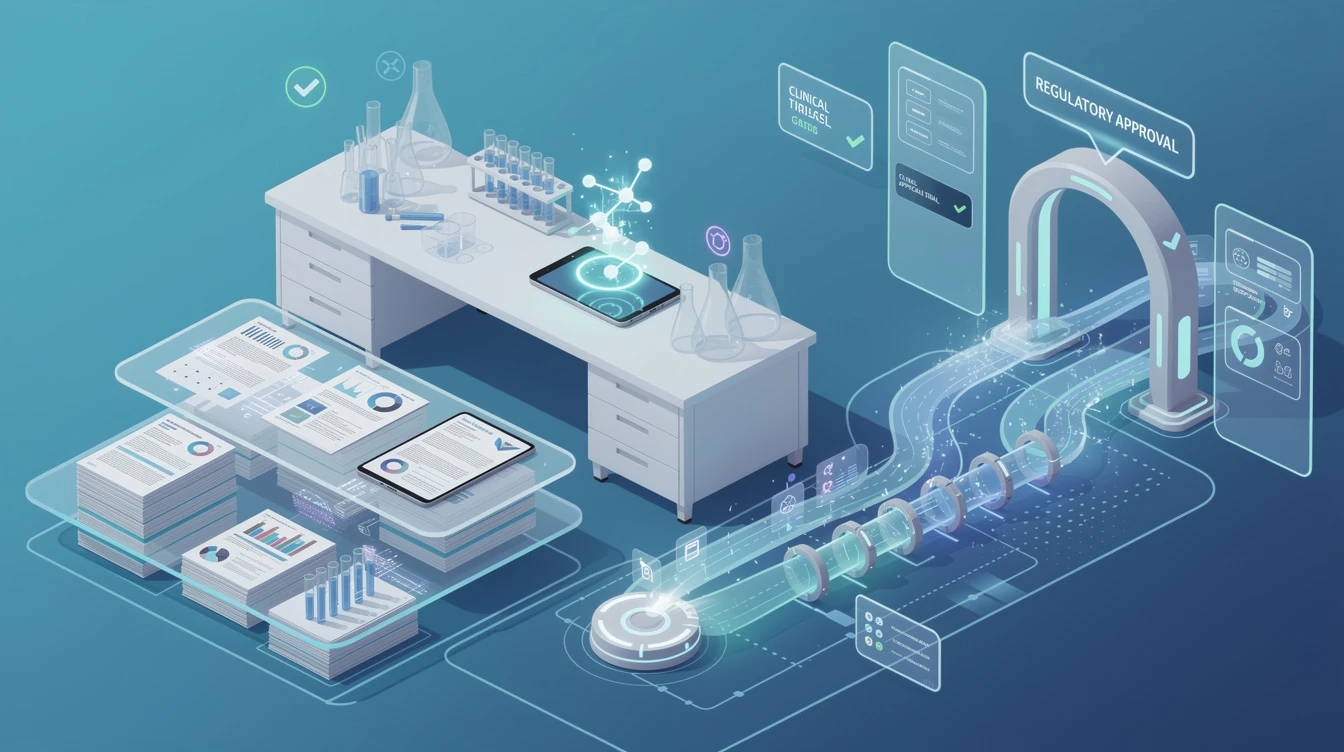 domain
Pharmaceutical R&D
Regulatory-grade audit trails for agents in drug development
Agents in submission prep and literature surveillance under records that are attributable, contemporaneous, and tamper-evident.
Open card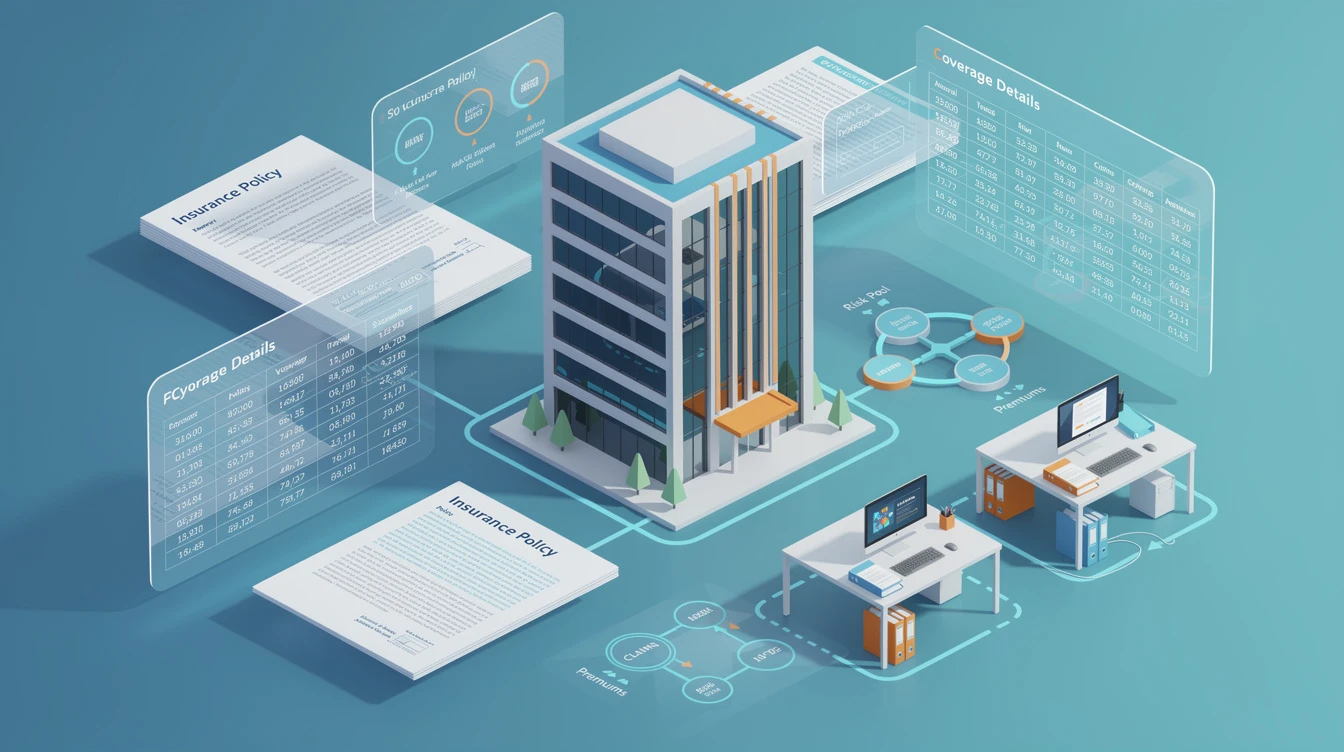 domain
Insurance Regulation
Model governance for agent fleets under Solvency II scrutiny
Insurers run agents on claims and actuarial work with the attribution and replay that model governance expects.
Open card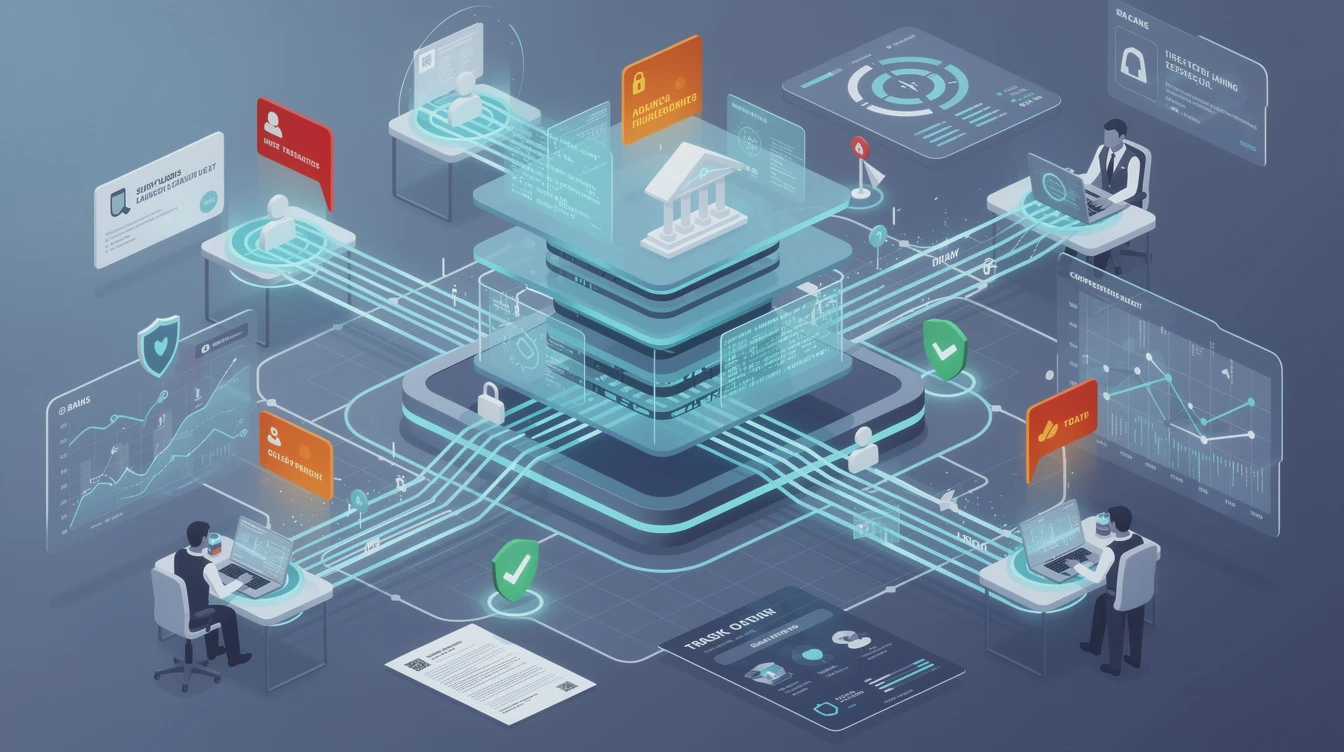 domain
Anti-Money Laundering
Screening and monitoring agents whose decisions replay
AML work where every alert disposition, screening decision, and refusal is signed and attributable.
Open card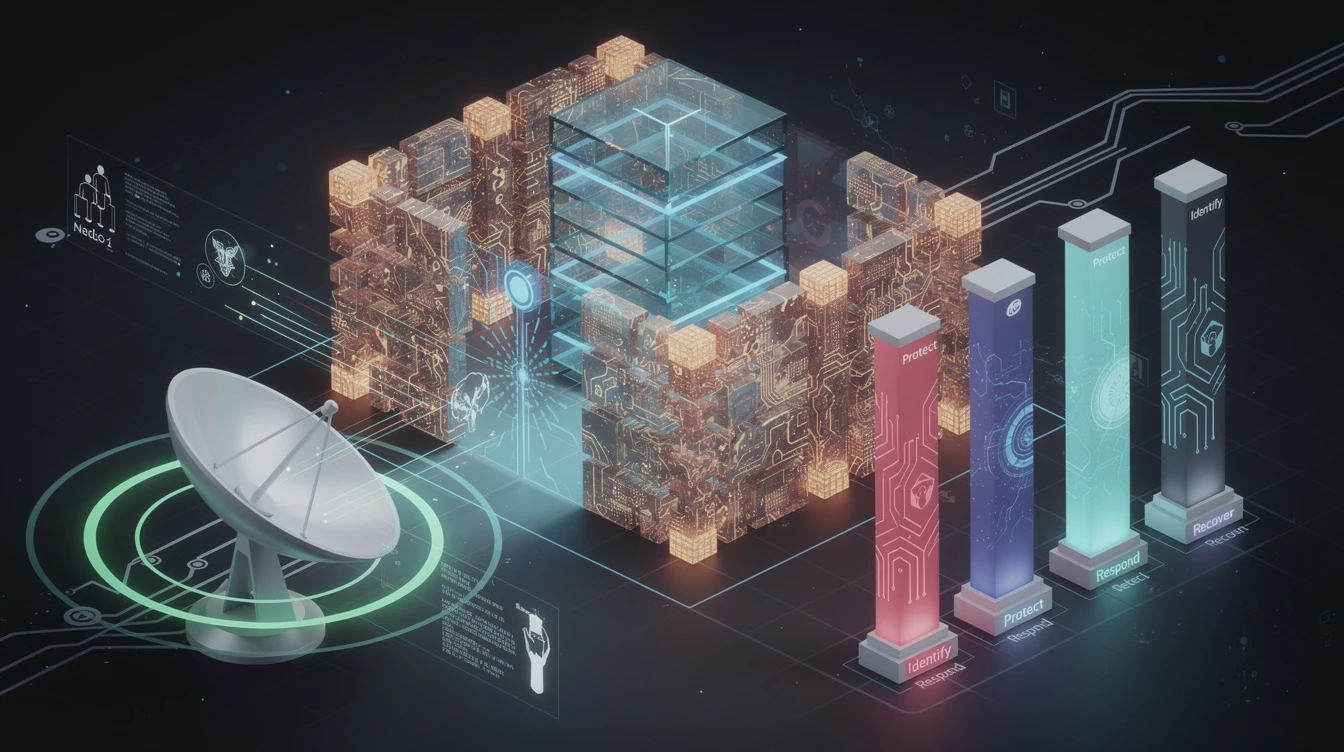 domain
Cybersecurity
Agent fleets in the SOC, and revocation that actually propagates
Security teams run triage and enrichment agents with signed trails, scoped credentials, and provable revocation.
Open card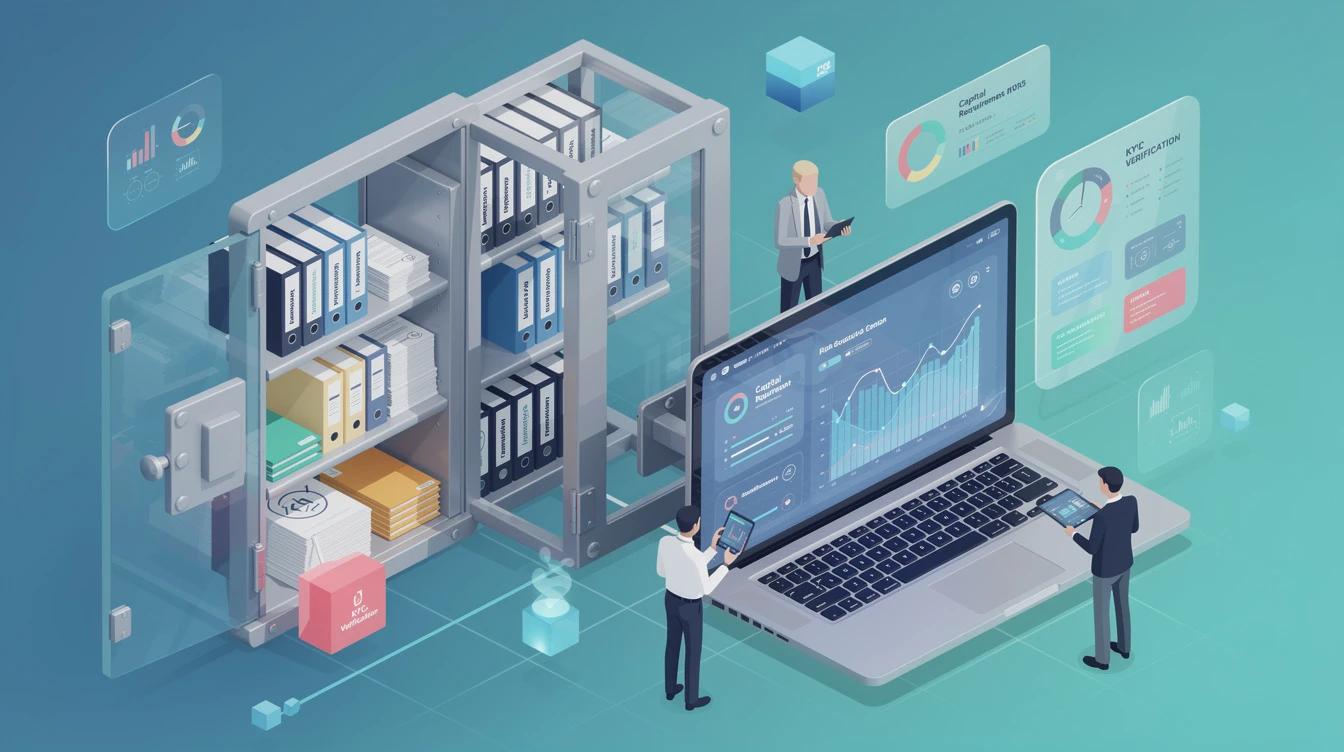 domain
Banking Compliance
PSD2-era banking work with per-request, revocable authority
Banks apply open-banking consent discipline to their own agents: scoped tokens, signed refusals, provable revocation.
Open carddomainCorporate Governance
Board-grade oversight of what the AI fleet actually does
Directors get attribution, gates, and decision records instead of assurances about the organisation's AI usage.
Open carddomainAI Regulation
The EU AI Act as engineering controls, not a legal opinion
CueCrux implements the Act's oversight, logging, and transparency demands with the same machinery everything runs on.
Open card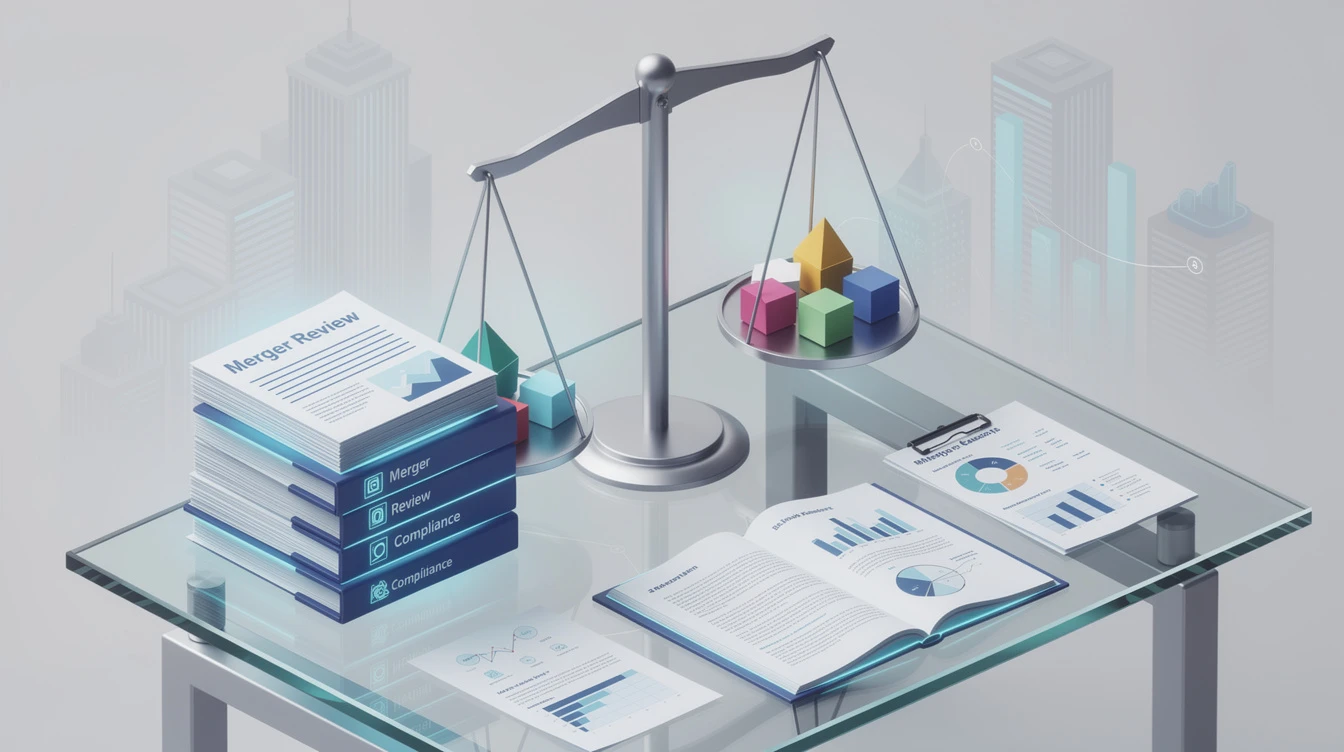 domain
Antitrust & Competition
Deal-room research agents with defensible trails
Merger and conduct work where agent-gathered evidence carries provenance and stays on your infrastructure.
Open card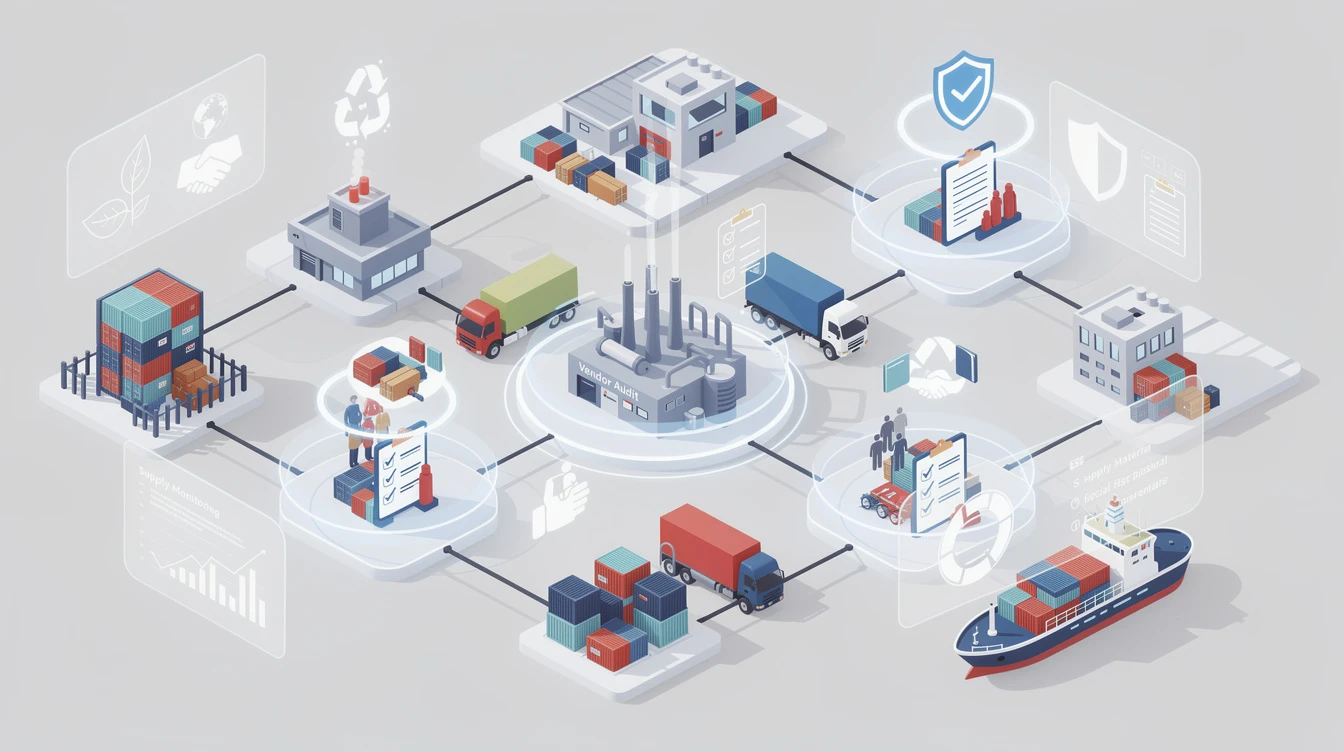 domain
Supply Chain Compliance
CSDDD-grade due diligence with evidence, not attestations
Agents scale supplier due diligence across thousands of entities while every finding stays traceable.
Open card