domain
Contract Analysis
Clause extraction you can trace back to the page
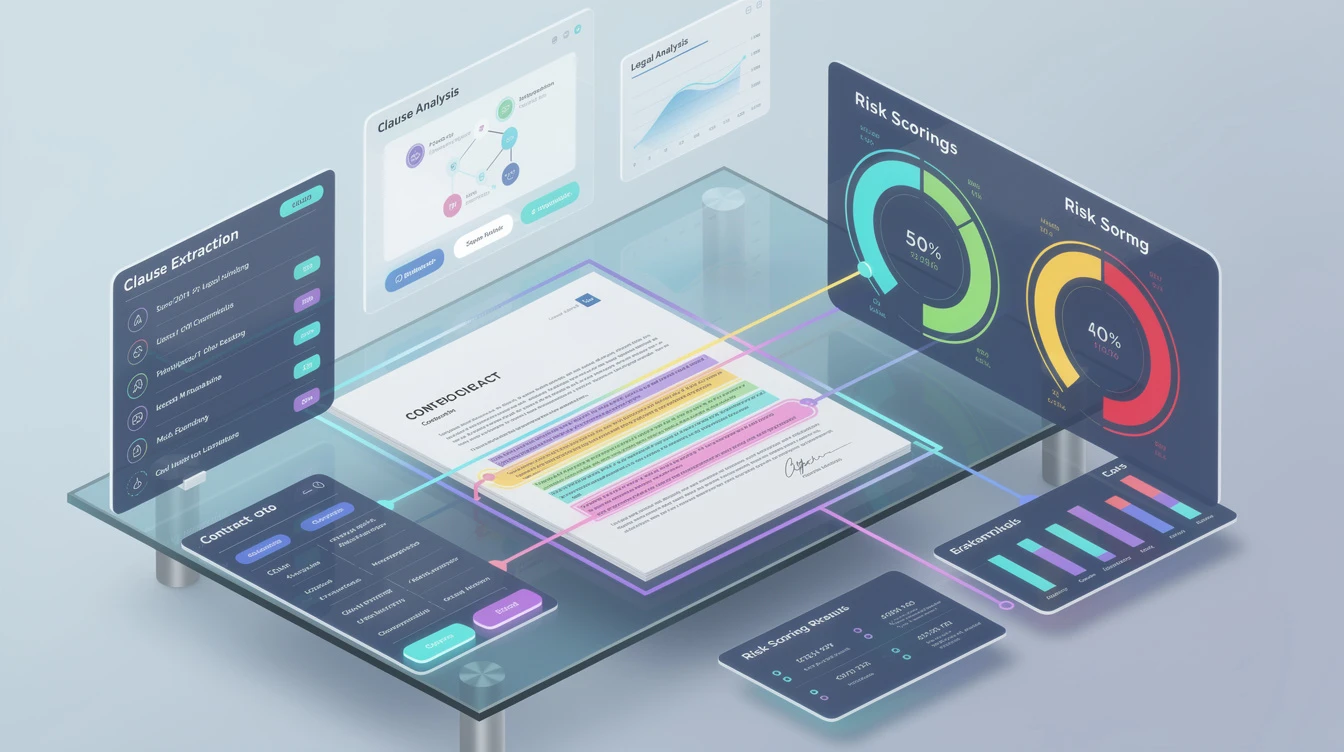
Contract review is a natural fit for agents and an uncomfortable one for anyone who has to defend the review later. CueCrux closes that gap by making the review itself evidentiary: when an agent extracts a clause, scores a risk, or flags a deviation, the finding carries a receipt linking it to the source passage it came from. A reviewer replays the trail instead of re-reading the contract to check the machine's work.
Judgement calls are captured as decision records, so six months later the question "why did we accept that indemnity cap" has an answer with a date and an author rather than a shrug. The whole review file sits on the hash-chained spine, which means it is tamper-evident if the deal is ever disputed.
Privileged documents never need to leave your infrastructure. The daemon runs locally, CPU-only, and retrieval over the document set runs under hard token budgets, so a large portfolio review has a predictable cost rather than an open-ended one. For legal teams, the result is contract analysis that is faster than manual review and more defensible than either manual review or an unreceipted AI pass.