explorer
What are passports and trust tiers?
Identity that earns reputation: bind, carry, earn, answer
bind
The session handshake binds every connection to a passport. No anonymous writes.
carry
Every tool call rides the passport. RCX mints short-lived capability tokens against it.
earn
Verified receipts accrue as reputation. Five tiers climb the capability ladder.
answer
Any receipt, any time later, resolves back to who acted, at what tier, under which grants.
trust is a ledger, not a checkbox: what a passport earns in step 3 changes what step 2 allows
A passport is how anything gets to act in CueCrux. Every connection binds to one before it can write; there are no anonymous writes, full stop. From then on, every tool call carries the passport, which is why any receipt in the store can be resolved back to who acted.
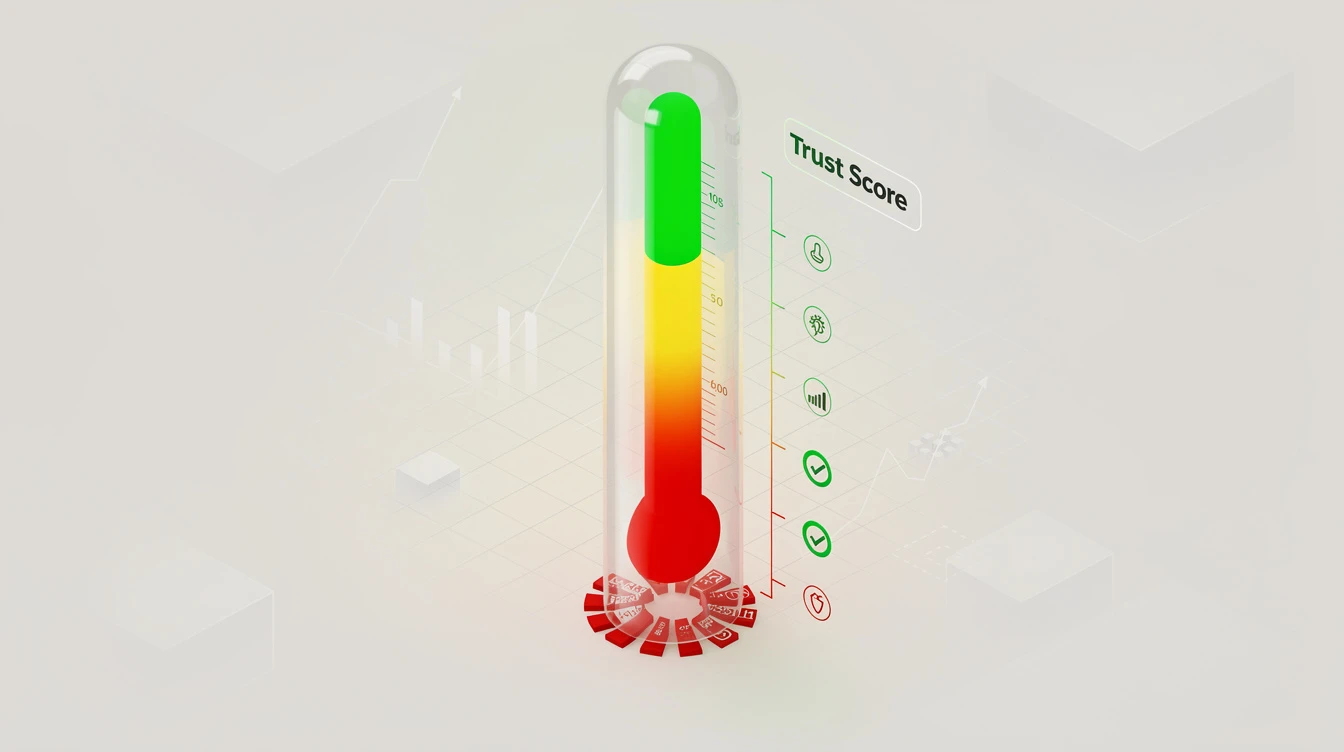
The lifecycle is a loop: bind, carry, earn, answer. Bind: the connection takes on an identity. Carry: each call travels with it. Earn: verified receipts accrue to the passport as reputation, across five trust tiers, so standing is built from checkable history rather than asserted in a config file. Answer: when anyone asks about an action later, the receipt names the passport, its tier at the time, and the grants it acted under.
Tiers do work rather than decorate. RCX capability tokens are scoped to tools, tenant and tier, so what an agent is permitted to do can track what its record supports. A new, unproven agent and a long-standing one need not be trusted alike, and neither needs to be trusted on faith.
Grants attach to passports, which is what makes revocation meaningful: pull a grant and the acknowledgements come back per agent, ending in an attestation when zero holders remain.
Identity, reputation, permission and accountability are one system here, and every link in it is a receipt.